
IUCN Status
 : Least Concern

Author: Sonu kumar
This is Sonu Kumar, I'm a nature enthusiast and a keen botanical observer with a special interest in studying and documenting the small flora and grasses of rocky habitats. I particularly fascinated by the discovery of uncommon species. Finding a new species record for a region serves as a strong source of inspiration and excitement for me. Currently I'm working as a district coordinator kota at BRDS society India. I have always been a devout admirer of nature and I would be happy to share more information about the plant wealth around me through this platform. #AStudentofnature #Teamefloraofrajasthan 🌿🌱🐛🦋🔍 Insta page: https://www.instagram.com/eflora_of_rajasthan
- Trees
- Kota bundi baran jhalawar Chittorgarh udaipur Ajmer Sawai Madhopur jodhpur jhunjhunu Sirohi karoli bharatpur dholpur pali nagaur rajsamand pratapgarh ganganagar hanumangarh / Jaipur tonk dungarpur pratapgarh banswara alwar Dausa Karauli
- Naturally grown
-
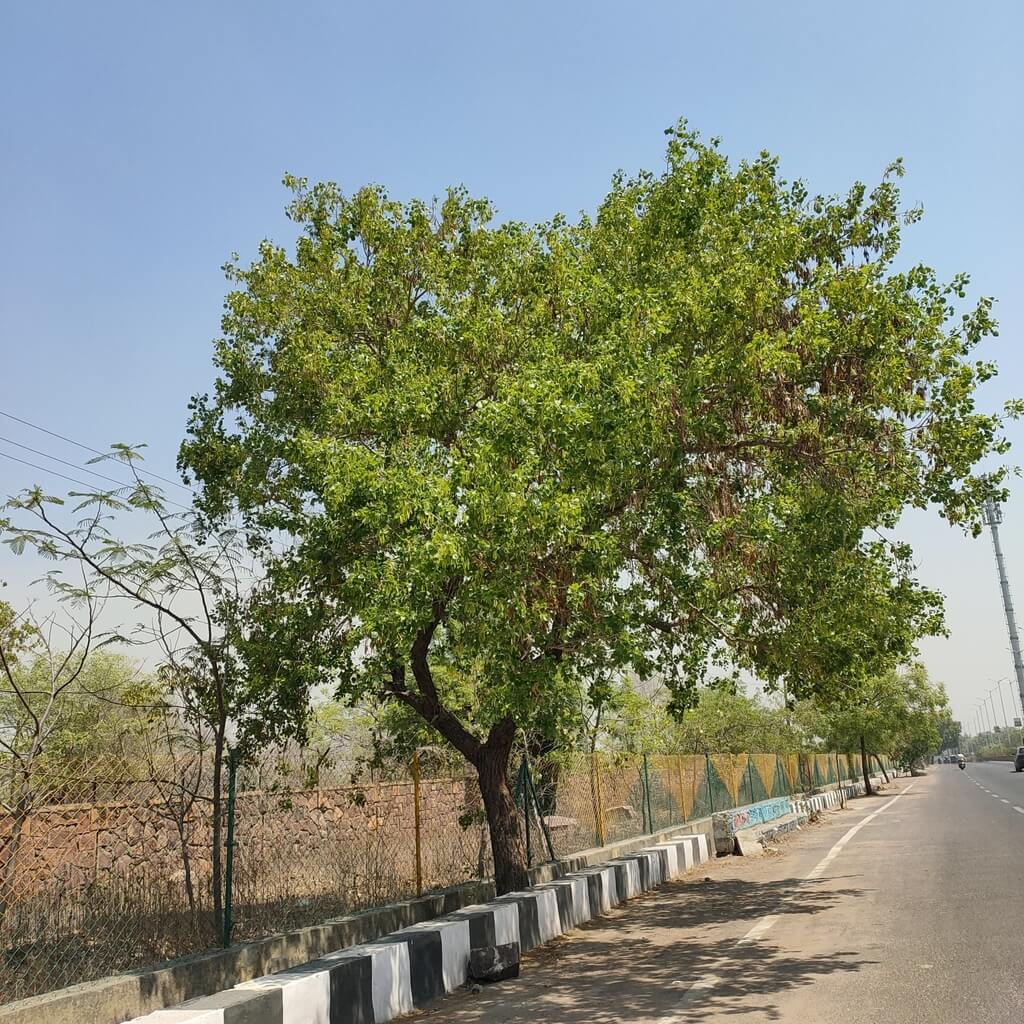
A large deciduous tree, usually growing 10–25 m tall. It is easily recognized by its grey to dark brown, longitudinally fissured bark, spreading crown, and alternate, trifoliate leaves with three broad, leathery leaflets. The tree produces small, fragrant, whitish to pinkish-white flowers in axillary panicles during February to April, followed by flat, light brown pods containing 1–5 seeds. Native to the Indian subcontinent, it naturally grows along riverbanks, floodplains, and dry deciduous forests. Due to its rapid growth and drought tolerance, it is widely planted for timber, agroforestry, and avenue plantations. Its wood is one of the finest hardwoods of India, valued for furniture, flooring, carving, agricultural implements, and musical instruments. As a leguminous tree, it also improves soil fertility through nitrogen fixation.
Native Range: India, Nepal, Pakistan, Afghanistan, and parts of the Himalayan foothills.
Status in India: ✅ Native
Flowering & Fruiting: Flowers: February–April | Fruits: April–June
Ecological Importance: Provides shade, improves soil fertility through nitrogen fixation, stabilizes riverbanks, and offers habitat for birds and insects.
PC: Sonu Kumar
Source: Flowers of India, efoi, powo, wfo, ibp, iNat -
large-3-3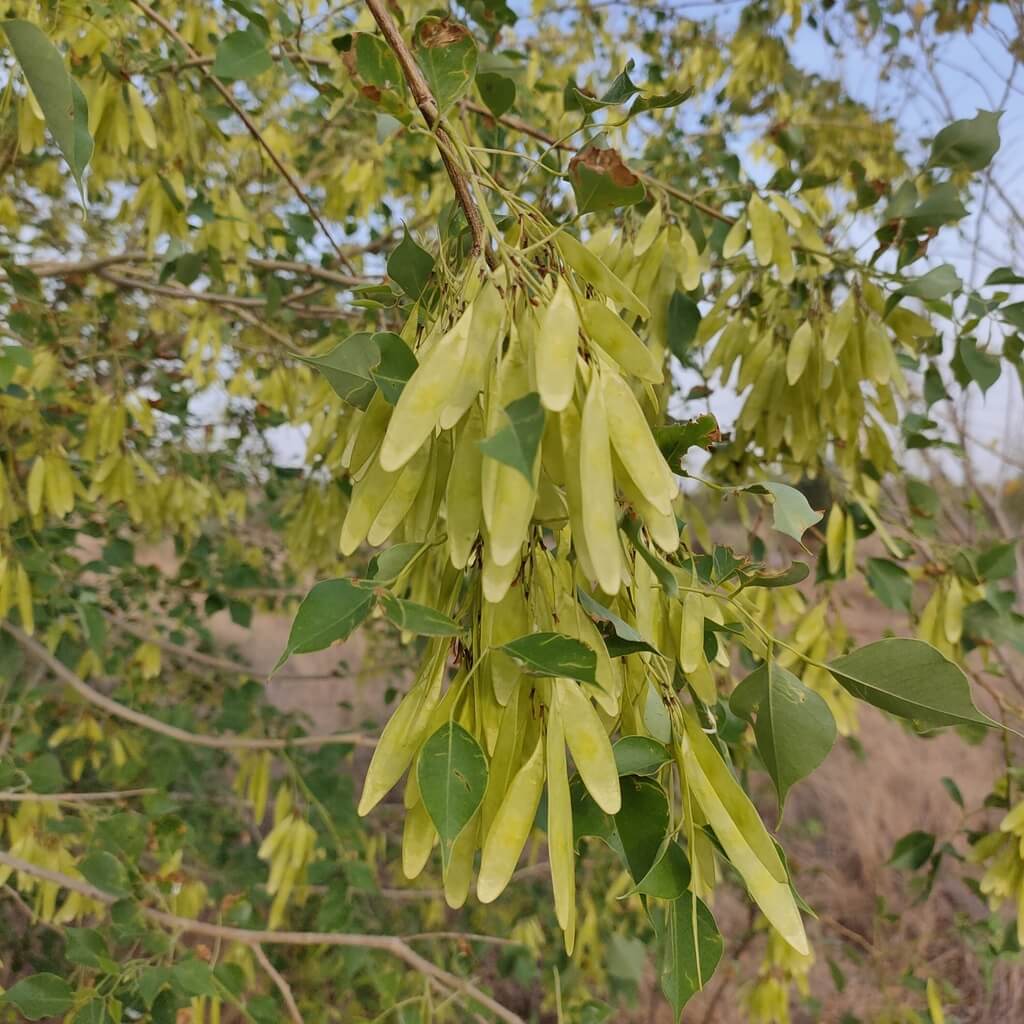
large-1-7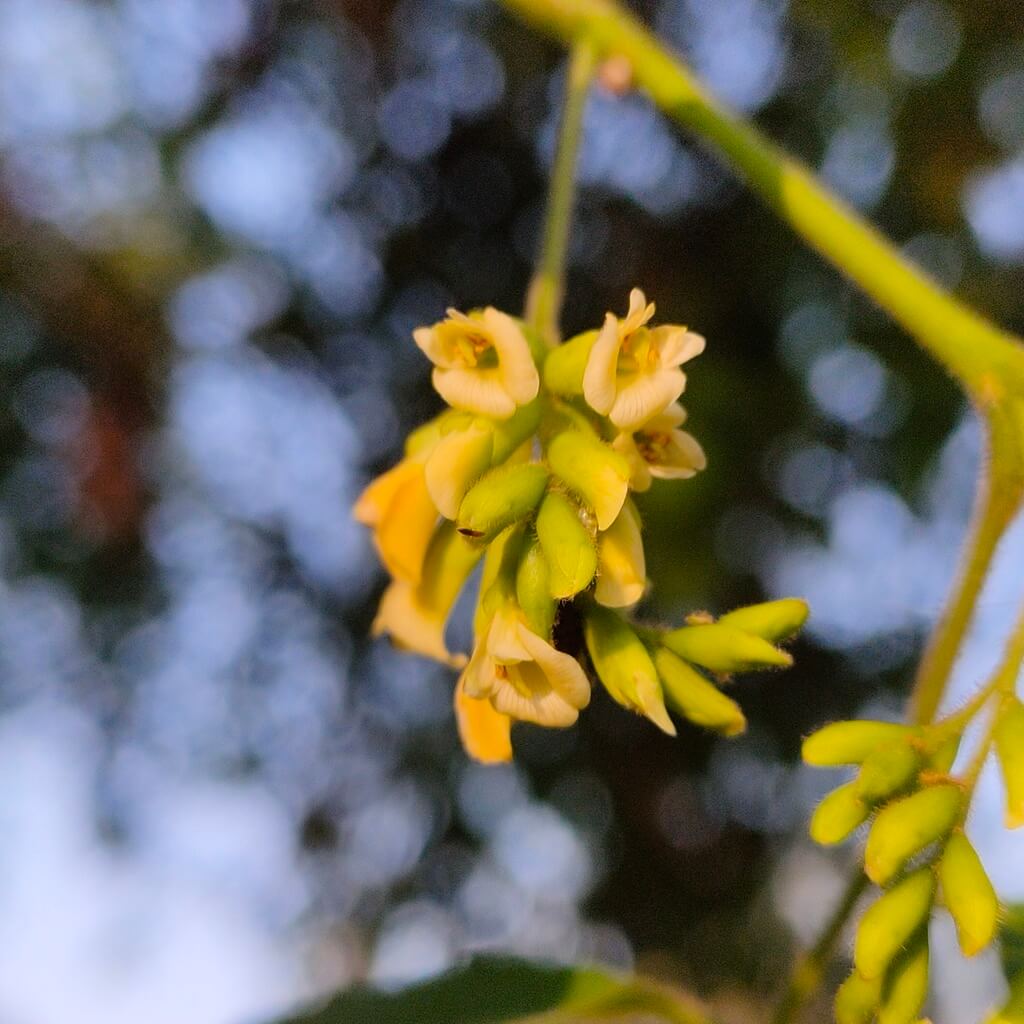
large-5-5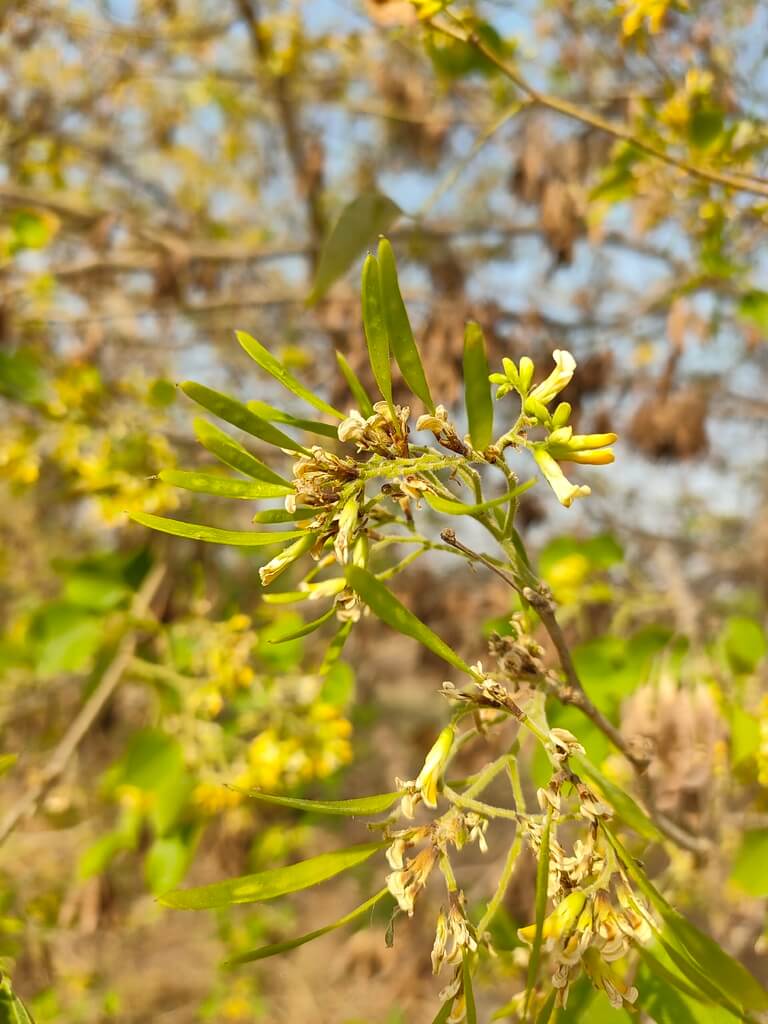
large-4-6
