
Description
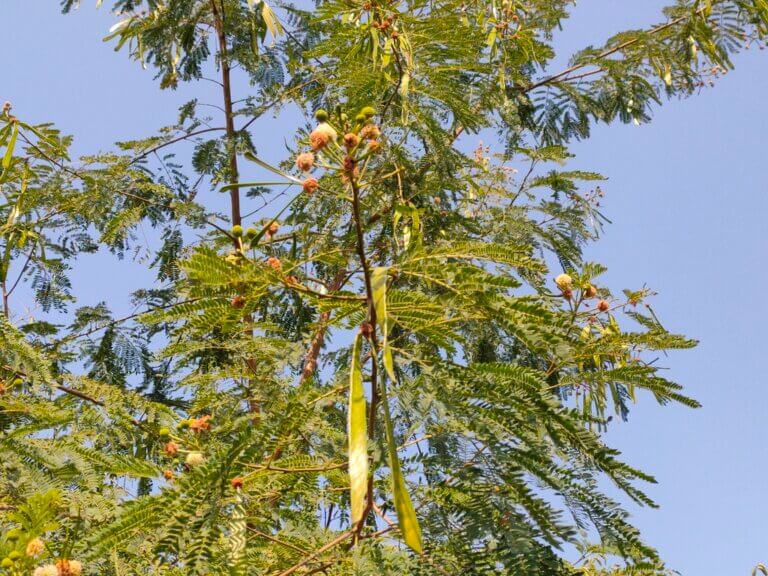
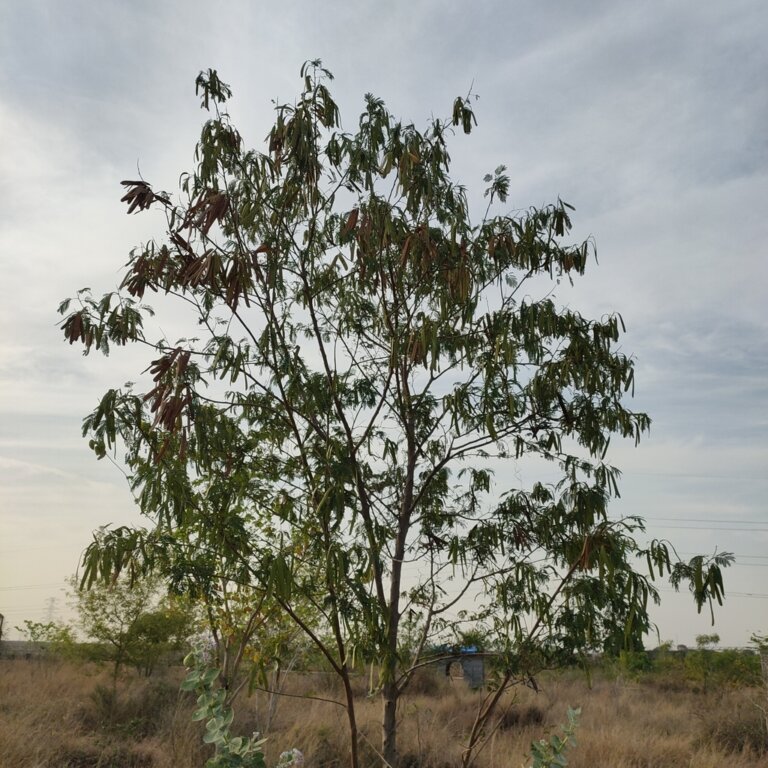
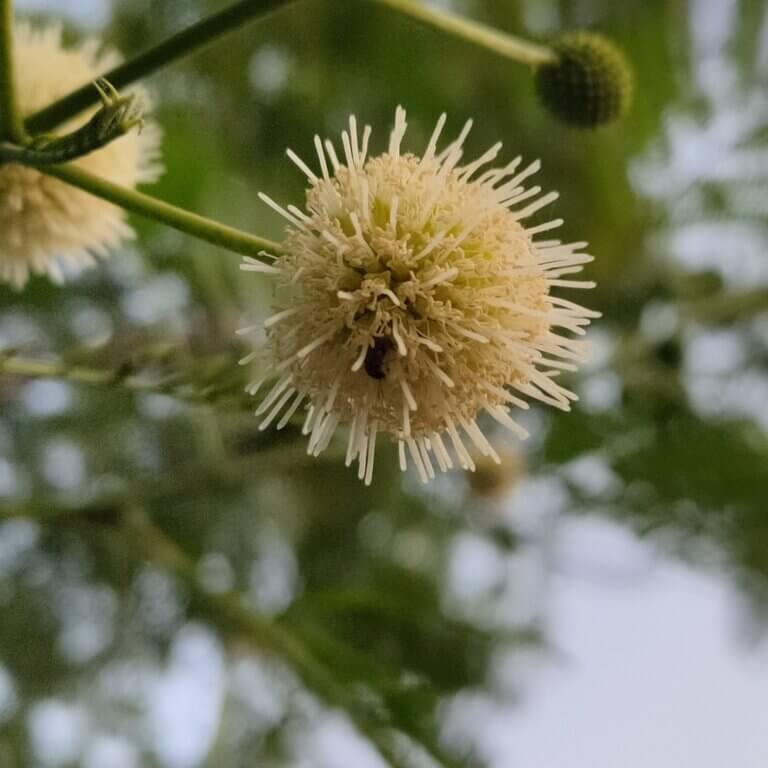
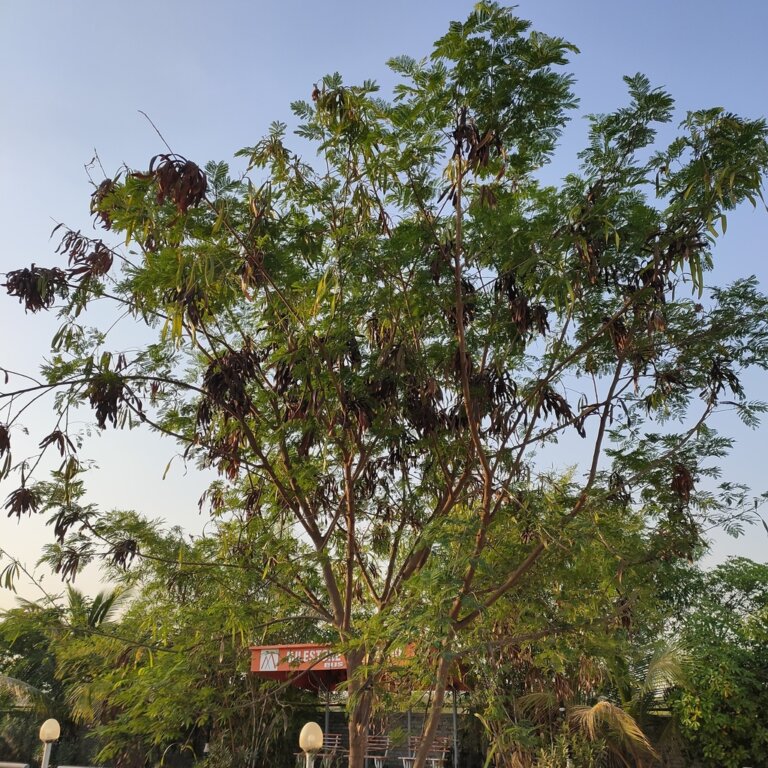
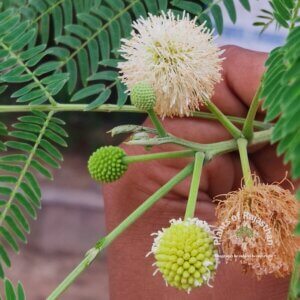
Fast-growing small to medium-sized tree, usually 5–20 m tall. It is recognized by its bipinnate leaves, creamy-white spherical flower heads, and long, flat brown pods containing numerous seeds. Native to southern Mexico and Central America, it was introduced to India for fodder, fuelwood, and afforestation. Due to its rapid growth and prolific seed production, it has become one of the most invasive alien tree species in many parts of India, especially in dry forests and grasslands.
Status in India: ❌ Introduced & Highly Invasive
Flowering & Fruiting: Throughout the year (mainly April–November).
One of the most invasive alien tree species in India-
1. Produces abundant seeds and spreads rapidly, forming dense monocultures.
2. Suppresses native plants and prevents natural forest regeneration.
3. Invades grasslands, scrublands, and open forests, reducing biodiversity.
4.Alters soil chemistry through excessive nitrogen enrichment, favouring invasive species over native plants.
5. Increases water competition, reducing resources for native vegetation.
6. Difficult and costly to eradicate once established.
Where this species has been found
Log in to add another place where you found this plant.
Phenology — when it flowers, fruits and sheds its leaves

 FloweringFruiting
 Leaf fall
Other observations of Leucaena leucocephala
More from Fabaceae
View family →


 LC
 LC
