
IUCN Status
 : Least Concern

Author: Sonu kumar
This is Sonu Kumar, I'm a nature enthusiast and a keen botanical observer with a special interest in studying and documenting the small flora and grasses of rocky habitats. I particularly fascinated by the discovery of uncommon species. Finding a new species record for a region serves as a strong source of inspiration and excitement for me. Currently I'm working as a district coordinator kota at BRDS society India. I have always been a devout admirer of nature and I would be happy to share more information about the plant wealth around me through this platform. #AStudentofnature #Teamefloraofrajasthan 🌿🌱🐛🦋🔍 Insta page: https://www.instagram.com/eflora_of_rajasthan
- Trees
- Kota
- Cultivated
-
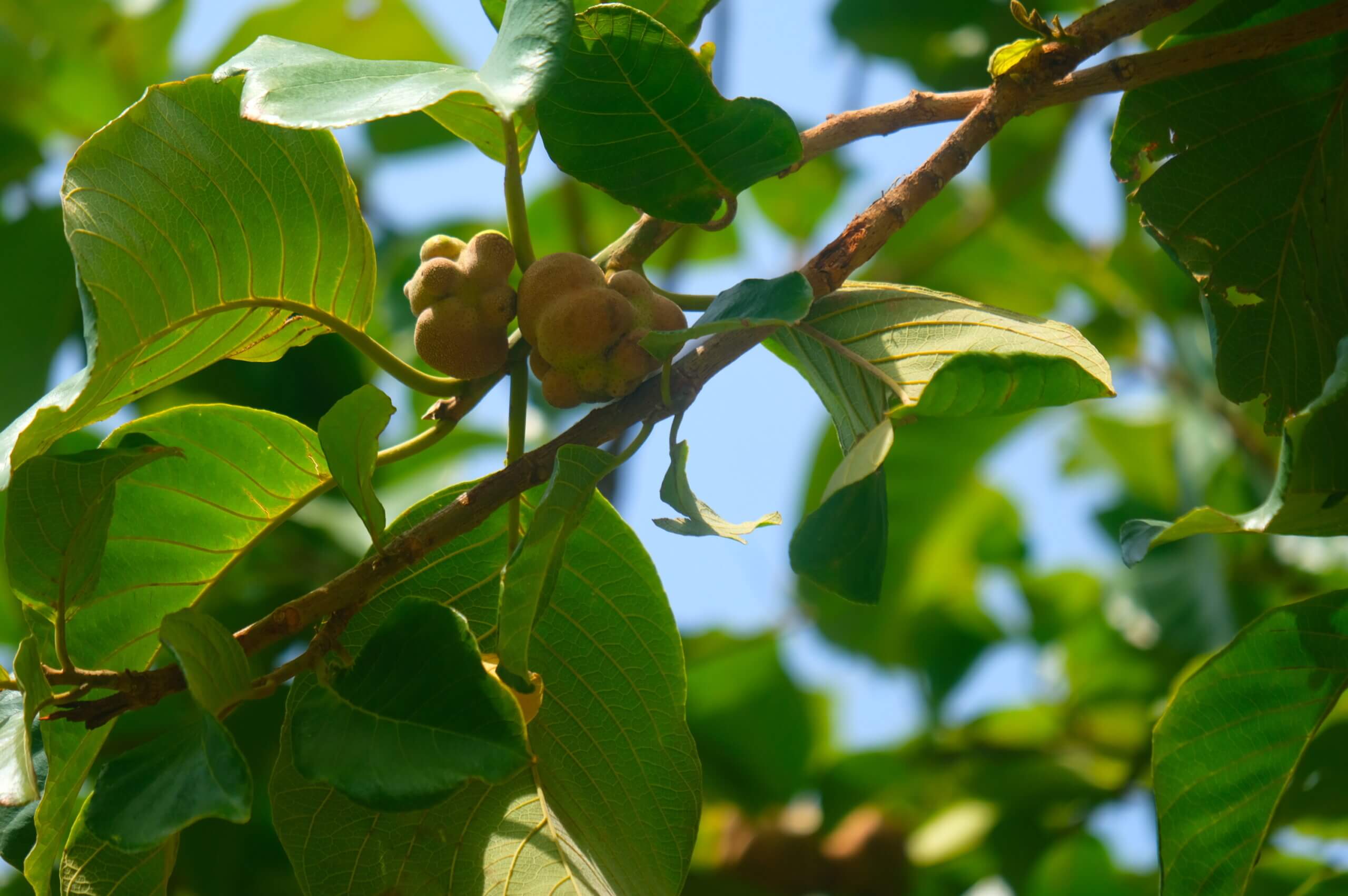
A medium to large deciduous tree, usually growing 10–20 m tall. It is recognized by its grey-brown rough bark, large oval leaves, and unshaped round, yellow to orange fruits with a rough surface. The fruits have a sweet-sour pulp and are edible. Native to the Indian subcontinent and Southeast Asia, it naturally grows in moist deciduous and evergreen forests. The fruits are eaten by birds, monkeys, squirrels, and other wildlife, while the tree is also valued for its timber and traditional medicinal uses.
Status in India: ✅ Native
Flowering & Fruiting: Flowers: January–March | Fruits: April–July (varies with region).
Ecological Importance: Provides food for birds, bats, monkeys, squirrels, and many other wild animals. It supports forest biodiversity, stores carbon, and offers shelter for wildlife.
मध्यम से बड़े आकार का पर्णपाती वृक्ष है, जो सामान्यतः 10–20 मीटर तक ऊँचा होता है। इसकी पहचान खुरदरी धूसर-भूरी छाल, बड़ी अंडाकार पत्तियों तथा बेशेप गोल, पीले से नारंगी रंग के खुरदरे मखमली फलों से होती है। इसके फल खट्टे-मीठे और खाने योग्य होते हैं। यह भारत तथा दक्षिण-पूर्व एशिया का देशज वृक्ष है और आर्द्र पर्णपाती एवं सदाबहार वनों में प्राकृतिक रूप से पाया जाता है।
भारत में स्थिति: ✅ देशज (Native)
पुष्पन एवं फलन: फूल: जनवरी–मार्च | फल: अप्रैल–जुलाई (क्षेत्र के अनुसार भिन्न हो सकता है)।
पारिस्थितिक महत्व: इसके फल पक्षियों, चमगादड़ों, बंदरों, गिलहरियों तथा अन्य वन्यजीवों के लिए महत्वपूर्ण भोजन हैं। यह वनों की जैव विविधता बढ़ाने, वन्यजीवों को आश्रय देने तथा कार्बन अवशोषण में महत्वपूर्ण भूमिका निभाता है। -
DSCF6377-1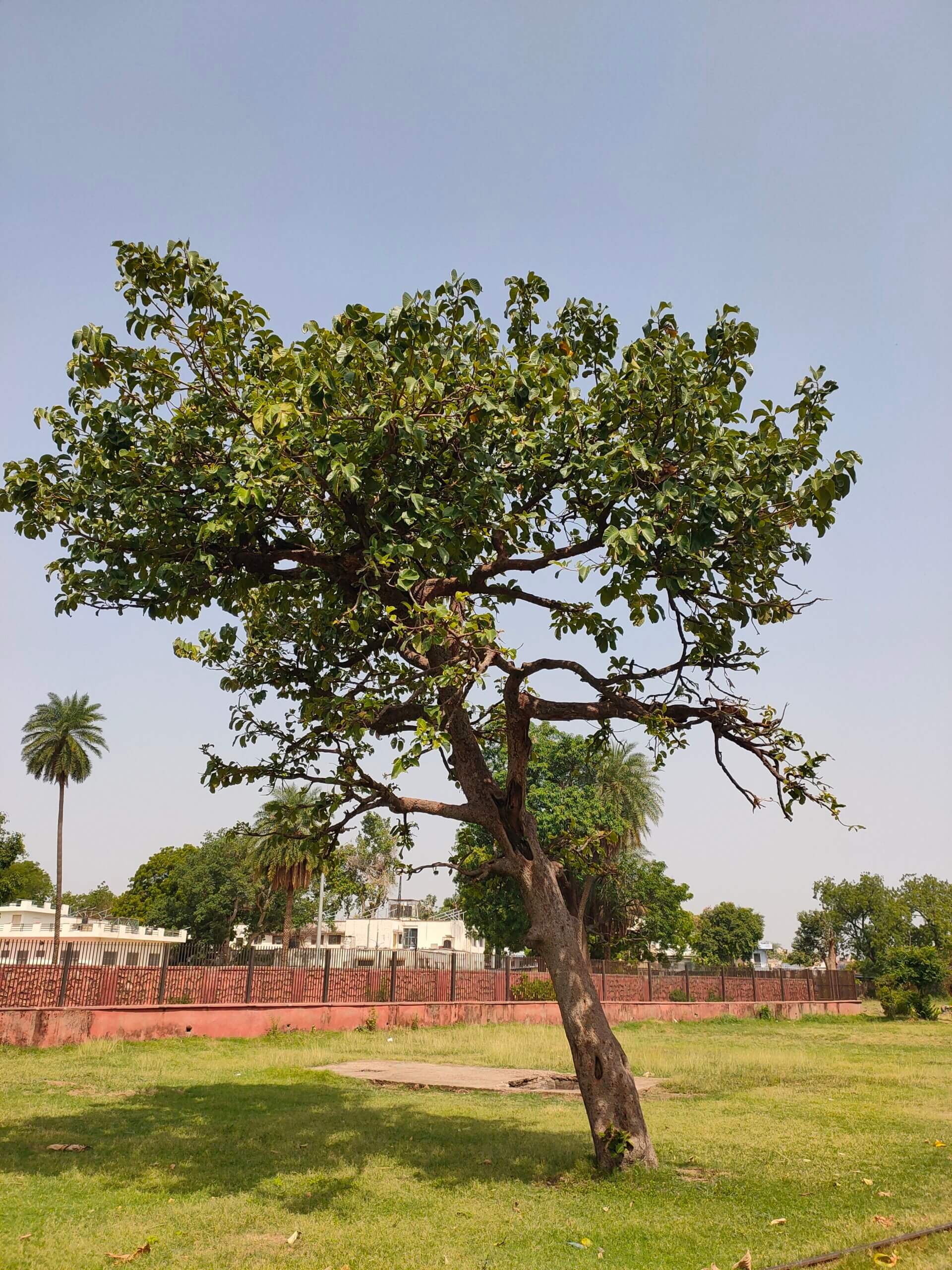
IMG20260611095707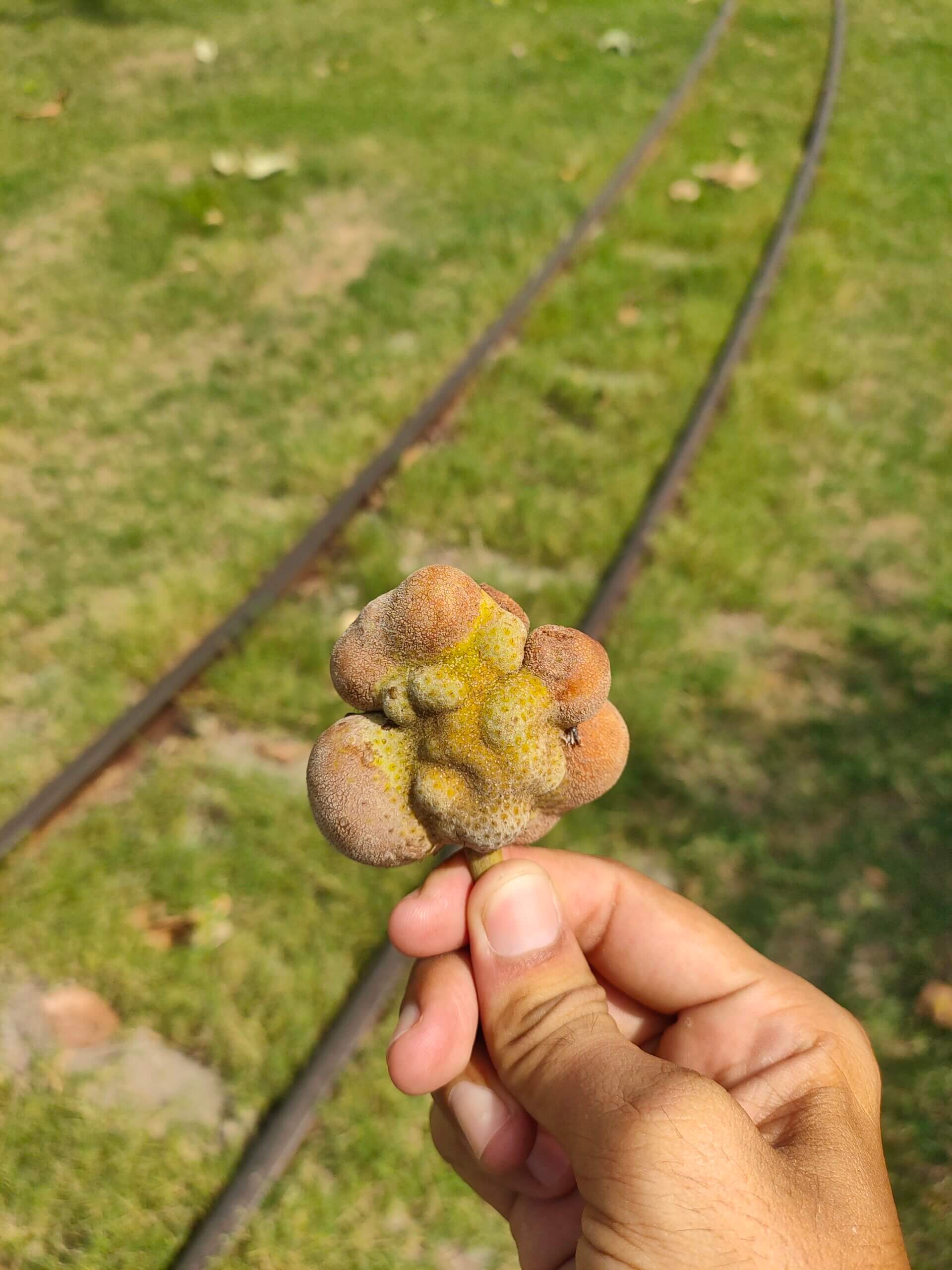
IMG20260611095639