
IUCN Status
 : Not Applicable

Author: Sonu kumar
This is Sonu Kumar, I'm a nature enthusiast and a keen botanical observer with a special interest in studying and documenting the small flora and grasses of rocky habitats. I particularly fascinated by the discovery of uncommon species. Finding a new species record for a region serves as a strong source of inspiration and excitement for me. Currently I'm working as a district coordinator kota at BRDS society India. I have always been a devout admirer of nature and I would be happy to share more information about the plant wealth around me through this platform. #AStudentofnature #Teamefloraofrajasthan 🌿🌱🐛🦋🔍 Insta page: https://www.instagram.com/eflora_of_rajasthan
- Trees
- Jaipur, Chittorgarh, udaipur, Ajmer, baran jhalawar jodhpur kota bundi / Tonk Karauli Sawai Madhopur banswara / Jodhpur barmer rajsamand pali alwar jhunjhunu Sirohi nagaur Dausa karoli
- An Invasive plant species
-
Identification | पहचान:-
A fast-growing, thorny tree or shrub, usually 3–12 m tall. It has rough grey-brown bark, paired sharp thorns, and feathery bipinnate leaves with many small leaflets. It produces cream-yellow cylindrical flower spikes and long, slightly curved yellowish-brown seed pods.
यह एक तेज़ी से बढ़ने वाला काँटेदार वृक्ष या बड़ी झाड़ी है, जो सामान्यतः 3–12 मीटर ऊँची होती है। इसकी छाल खुरदरी भूरी-धूसर होती है तथा शाखाओं पर तेज़ जोड़ेदार काँटे पाए जाते हैं। इसकी पत्तियाँ द्विपंखी (Bipinnate) होती हैं जिनमें अनेक छोटी पत्तियाँ होती हैं। इसमें हल्के पीले रंग के बेलनाकार फूल तथा लंबी, हल्की मुड़ी हुई पीली-भूरी फलियाँ लगती हैं।Native Range | मूल निवास:- Mexico, Central America, and northern South America.
Why should we avoid planting it? | इसे क्यों नहीं लगाना चाहिए?:-
An introduced invasive species in India. It spreads rapidly through seeds and root suckers, forming dense thorny thickets that replace native vegetation. It suppresses the regeneration of native plants by competing for light, water, and nutrients, and may also inhibit the germination of some native species through allelopathy. Dense infestations reduce grasslands, degrade wildlife habitats, and lower biodiversity. Its deep root system competes for scarce water in dry regions, while its sharp thorns can injure people and livestock. Once established, it is difficult and expensive to remove because it regenerates readily after cutting. Large-scale spread can reduce grazing land productivity and alter natural ecosystems. Conserving and planting native tree and grassland species is the best way to protect biodiversity.
Prosopis juliflora भारत में एक विदेशी आक्रामक (Invasive) प्रजाति है। यह बीजों और जड़ों से अत्यधिक तेज़ी से फैलकर घनी काँटेदार झाड़ियाँ बना लेता है, जिससे देशी वनस्पतियाँ और घास के मैदान नष्ट होने लगते हैं। यह प्रकाश, पानी और पोषक तत्वों के लिए प्रतिस्पर्धा करके देशी पौधों के पुनर्जनन (Regeneration) को रोकता है तथा एलीलोपैथी (Allelopathy) के कारण स्थानीय पौधों के बीजों के अंकुरण और वृद्धि को भी प्रभावित करता है। इसके फैलाव से वन्यजीवों का प्राकृतिक आवास और जैव विविधता को खतरे का सामना करना पड रहा है। इसकी गहरी जड़ें शुष्क क्षेत्रों में जल संसाधनों पर अतिरिक्त दबाव डालती हैं तथा इसके तीखे काँटे मनुष्यों और पशुओं के लिए नुकसानदायक है। एक बार स्थापित हो जाने पर इसे नियंत्रित करना कठिन और महँगा होता है क्योंकि काटने के बाद भी यह पुनः उग आता है। इसके व्यापक प्रसार से चरागाहों, घासभूमियों और प्राकृतिक पारिस्थितिकी तंत्र प्रभावित होता है।
" जैव विविधता के संरक्षण के लिए स्थानीय (Native) वृक्षों एवं घास प्रजातियों का रोपण और संरक्षण सबसे बेहतर विकल्प है।" -

large-6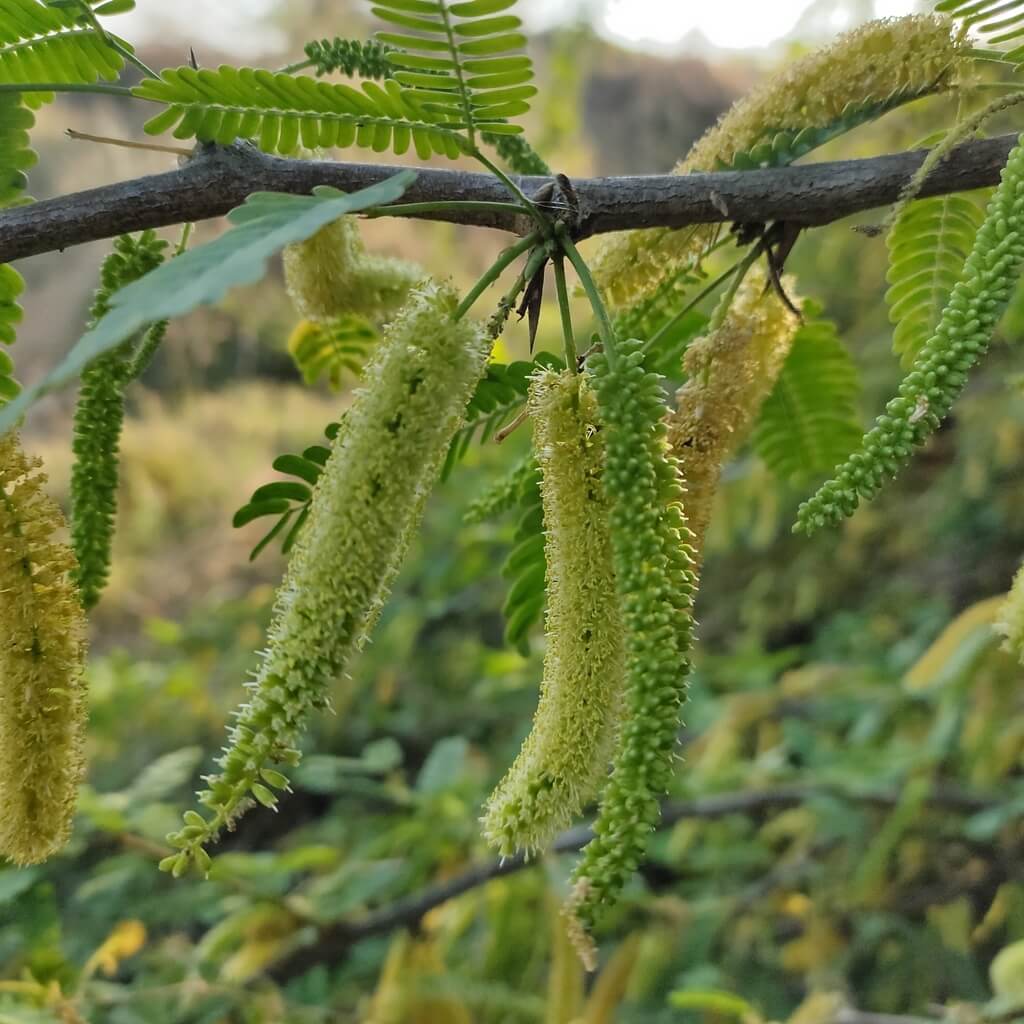
large-2-2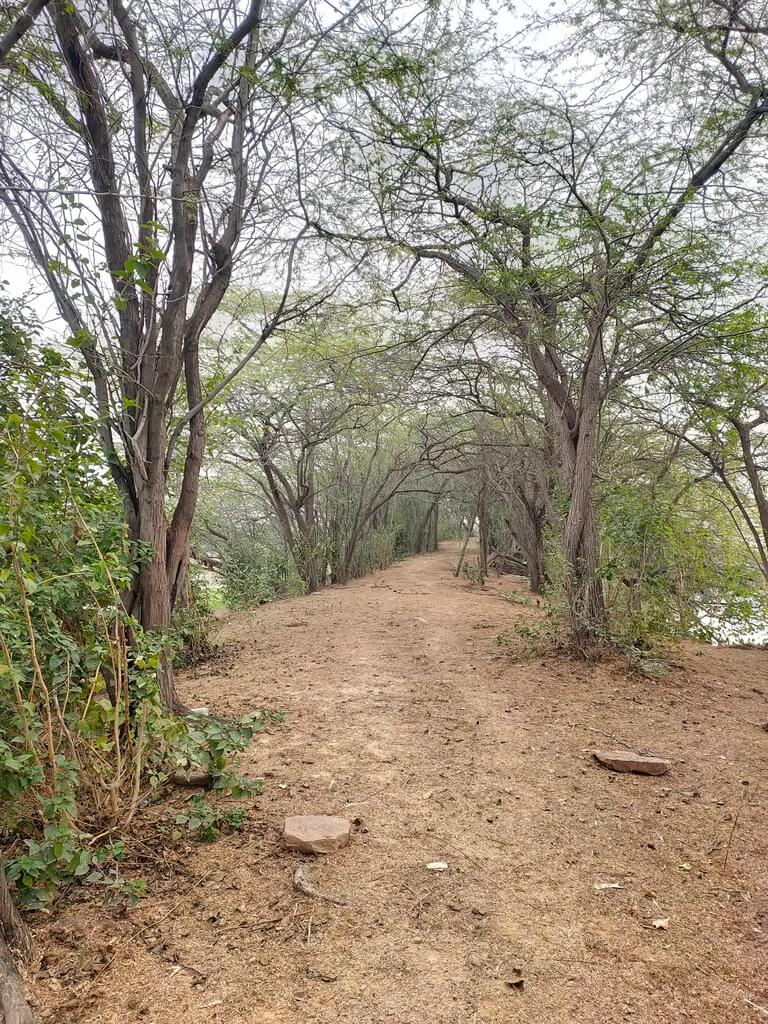
large-5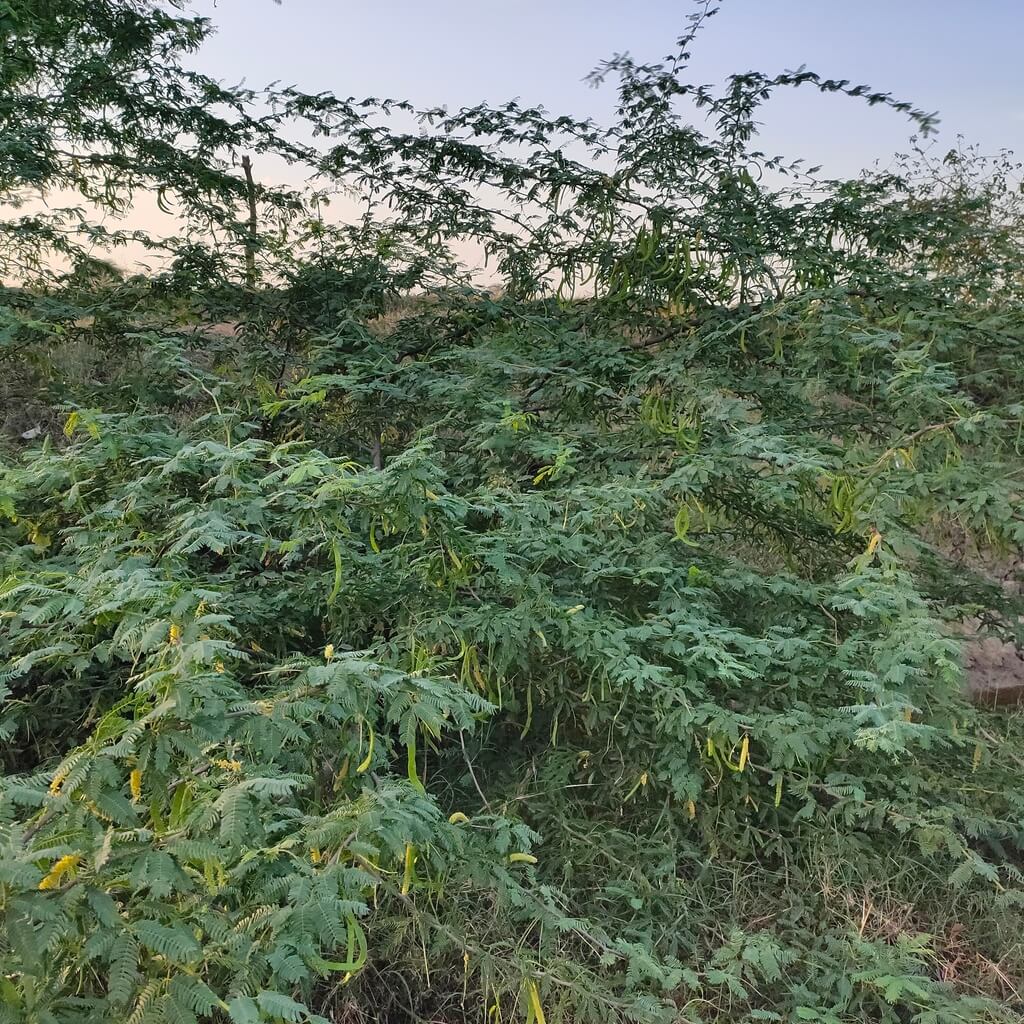
large-4-1
