IUCN Status
 : Least Concern

Author: Ravi Kant Saini
Hi, This is Ravi Kant Saini a passionate Botanist and a Researcher scholar from University of Rajasthan, Jaipur. I used to actively explores the rich flora of Rajasthan, contributing to research and knowledge in the field. #Pseudo_taxonomist #PlantsofRajasthan #TeameFloraofRajasthan #RajasthanFlora 🌾 🍂 🌿 🪹 🪴 🍃 🪺
- Trees
- Jaipur, Chittorgarh, udaipur, Ajmer, baran jhalawar jodhpur kota bundi
- Naturally grown
-
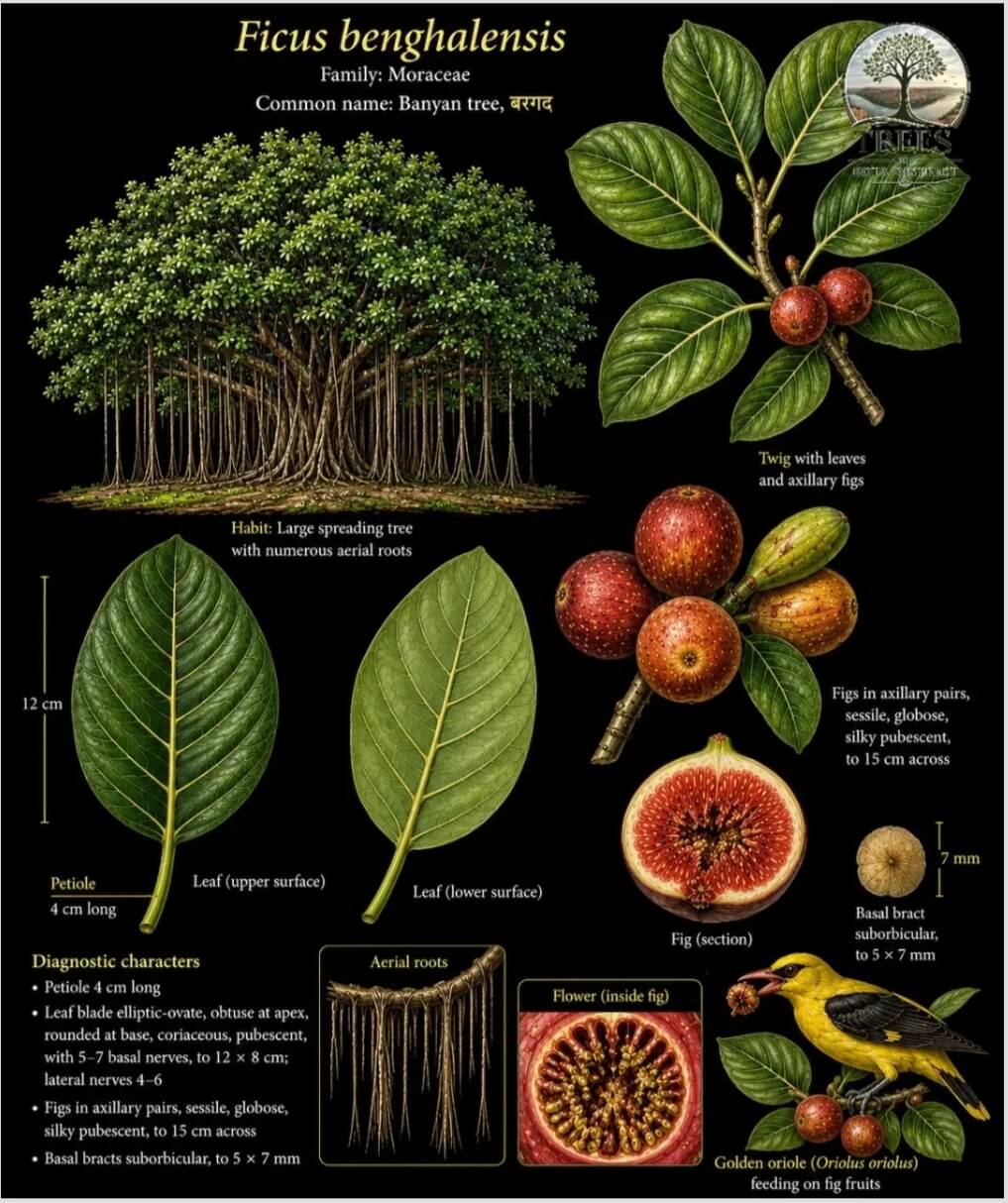
Ficus benghalensis is a large evergreen tree famous for its aerial prop roots, which grow into additional trunks and allow the tree to spread over a vast area. The leaves are large, leathery, and ovate, while the small flowers are enclosed inside a fleshy structure (syconium) that develops into round, red figs. The fruits are an important food source for birds, bats, monkeys, and many other wildlife species.
Native to the Indian subcontinent, it is commonly found in forests, villages, parks, and temple premises. It is considered a keystone species due to its ecological importance and is also regarded as a sacred tree in India.
PC: Ravi Saini & Sonu Kumar
Source: Foi, efoi, powo, wfo, Ai -

Ficus benghalensis L. - Fruits
The fruit of the banyan tree is a small, round, red fig-like fruit that is attached to the branches of the tree.
फाइकस बेंघालेन्सिस (Ficus benghalensis), जिसे सामान्यतः बरगद, वट वृक्ष अथवा Banyan Tree कहा जाता है, मोरेसी (Moraceae) कुल का एक विशाल, दीर्घायु एवं सदाबहार वृक्ष है। यह भारत का राष्ट्रीय वृक्ष है तथा भारतीय उपमहाद्वीप के उष्णकटिबंधीय एवं उपोष्णकटिबंधीय क्षेत्रों में प्राकृतिक रूप से पाया जाता है। यह वृक्ष अपने विस्तृत छत्र तथा शाखाओं से निकलने वाली वायवीय (Aerial) अथवा सहायक जड़ों (Prop Roots) के कारण अत्यंत विशिष्ट माना जाता है। ये जड़ें भूमि में पहुँचकर नए तनों का रूप ले लेती हैं, जिससे एक ही वृक्ष विशाल क्षेत्र में फैल जाता है। इसकी पत्तियाँ सरल, बड़ी, मोटी, अंडाकार से दीर्घवृत्ताकार, चमड़े जैसी तथा गहरे हरे रंग की होती हैं। सभी भागों से सफेद दुग्धरस (Latex) निकलता है। पुष्प बाहर से दिखाई नहीं देते, बल्कि साइकोनियम (Syconium) नामक विशेष पुष्पासन के भीतर विकसित होते हैं। फल छोटे, गोलाकार, पकने पर लाल या लाल-नारंगी रंग के होते हैं तथा अनेक पक्षियों, चमगादड़ों एवं अन्य वन्यजीवों के लिए महत्त्वपूर्ण भोजन स्रोत हैं। इसका परागण विशिष्ट फिग वास्प (Fig Wasp) द्वारा होता है, जो सह-विकास (Co-evolution) का उत्कृष्ट उदाहरण है। बरगद भारतीय संस्कृति एवं धार्मिक परंपराओं में अत्यंत पूजनीय है। वट सावित्री व्रत के अवसर पर विवाहित महिलाएँ इसकी पूजा करती हैं। इसकी छाल, पत्तियाँ, वायवीय जड़ें एवं दुग्धरस का उपयोग आयुर्वेद में मधुमेह, अतिसार, घाव, सूजन, दंत रोग तथा त्वचा रोगों के उपचार में किया जाता है। अपनी विशाल छाया, कार्बन अवशोषण क्षमता तथा असंख्य जीव-जंतुओं को आश्रय प्रदान करने के कारण यह वृक्ष जैव विविधता संरक्षण, सामाजिक वानिकी एवं शहरी हरितीकरण की दृष्टि से अत्यंत महत्त्वपूर्ण माना जाता है।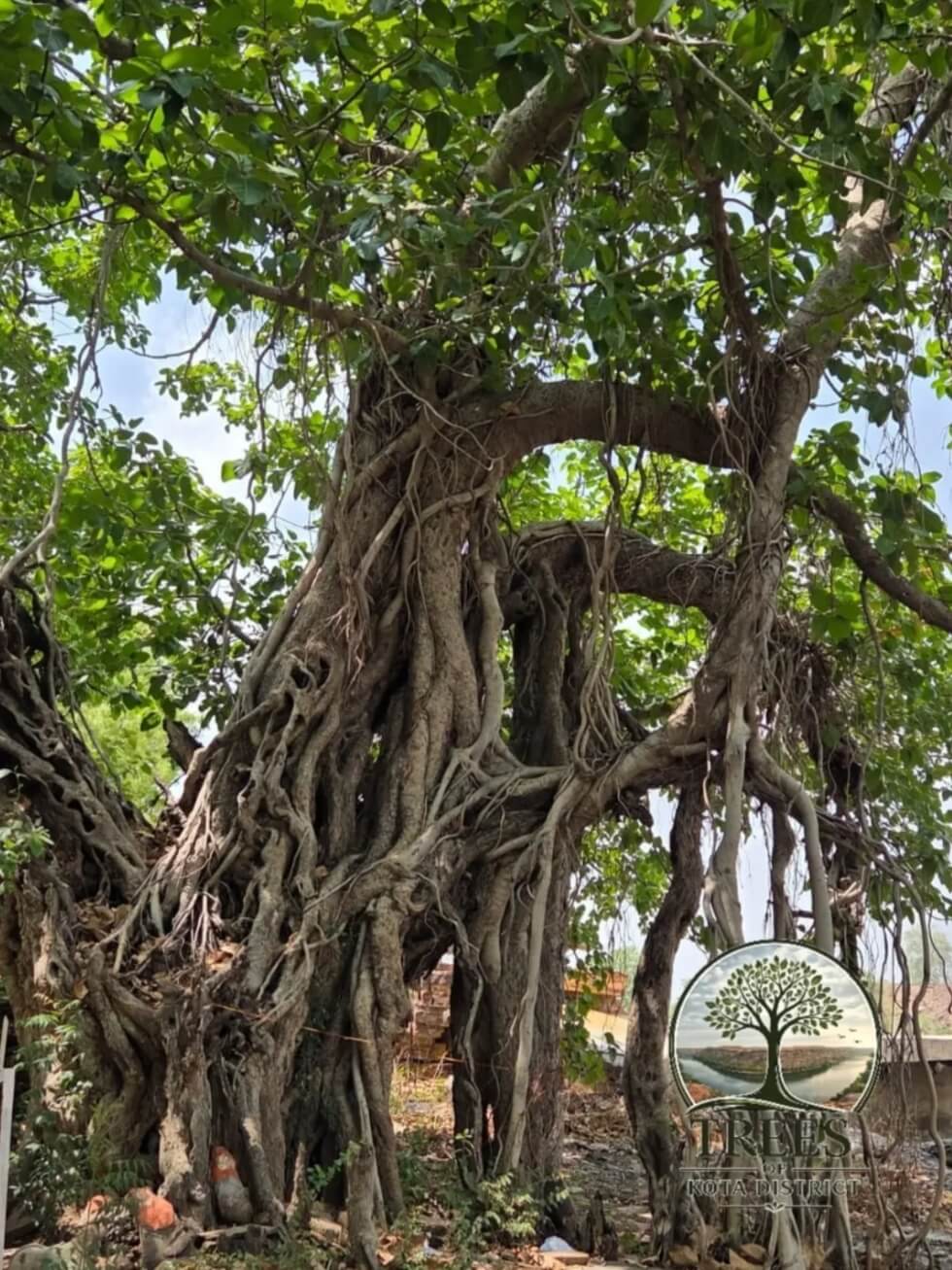
IMG_20260627_072902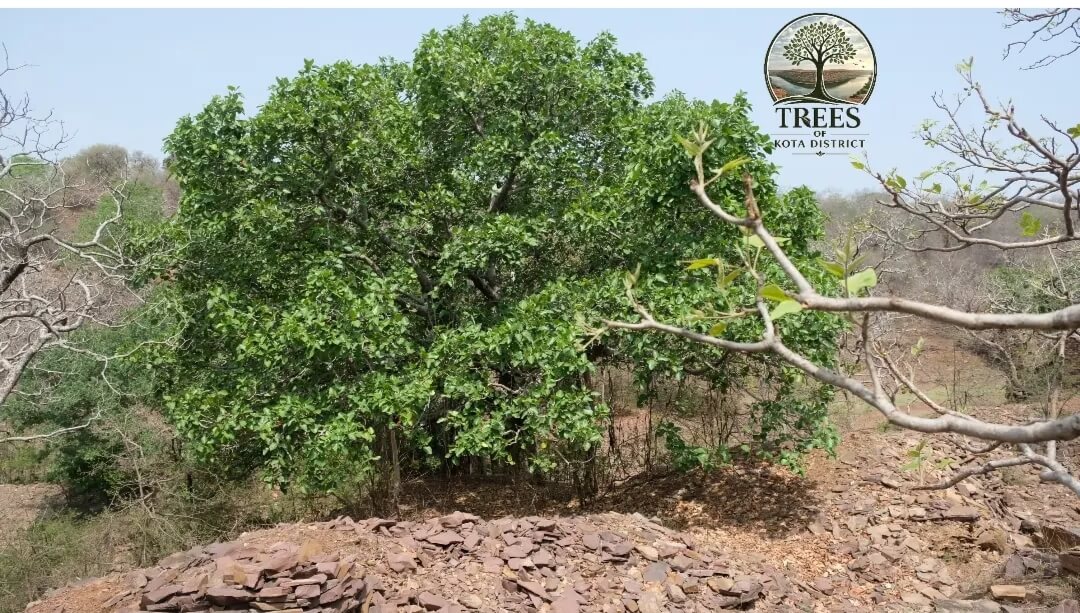
IMG_20260627_072848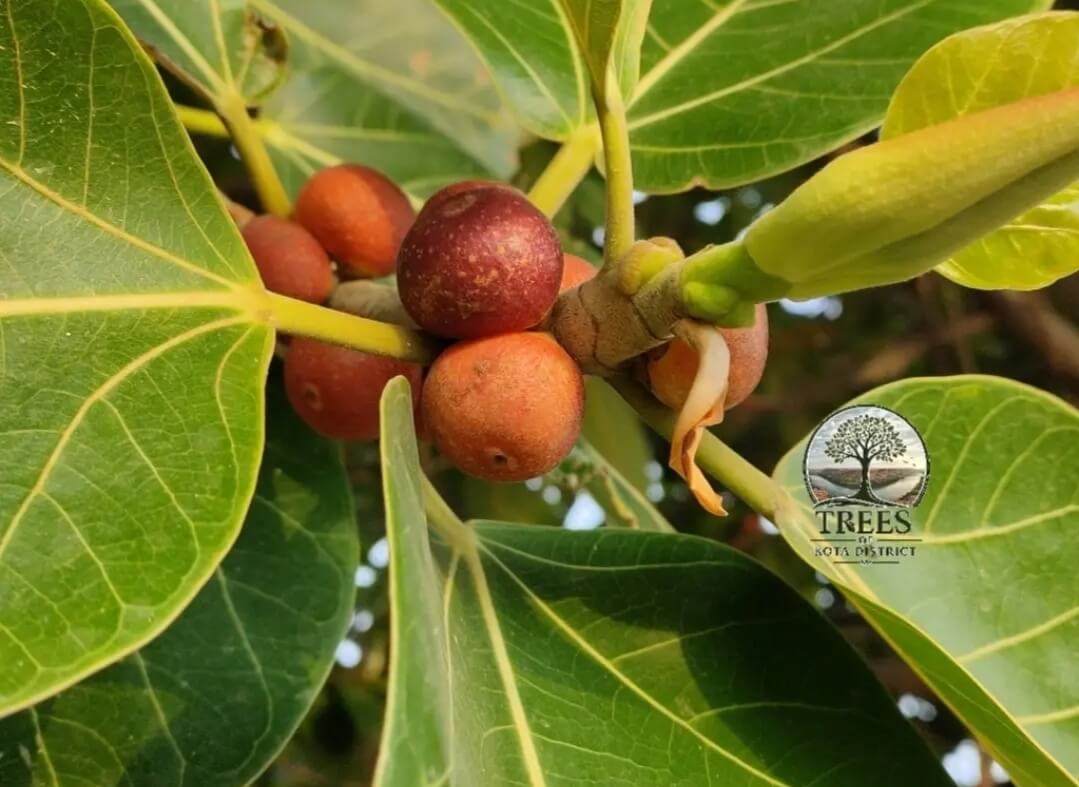
IMG_20260627_072918-1 -
IMG_20260627_072835