
IUCN Status
 : Least Concern

Author: Sonu kumar
This is Sonu Kumar, I'm a nature enthusiast and a keen botanical observer with a special interest in studying and documenting the small flora and grasses of rocky habitats. I particularly fascinated by the discovery of uncommon species. Finding a new species record for a region serves as a strong source of inspiration and excitement for me. Currently I'm working as a district coordinator kota at BRDS society India. I have always been a devout admirer of nature and I would be happy to share more information about the plant wealth around me through this platform. #AStudentofnature #Teamefloraofrajasthan 🌿🌱🐛🦋🔍 Insta page: https://www.instagram.com/eflora_of_rajasthan
- Trees
- Kota bundi baran jhalawar Chittorgarh Ajmer Bhilwara Dausa bharatpur alwar Jaipur udaipur Sirohi
- Cultivated
-
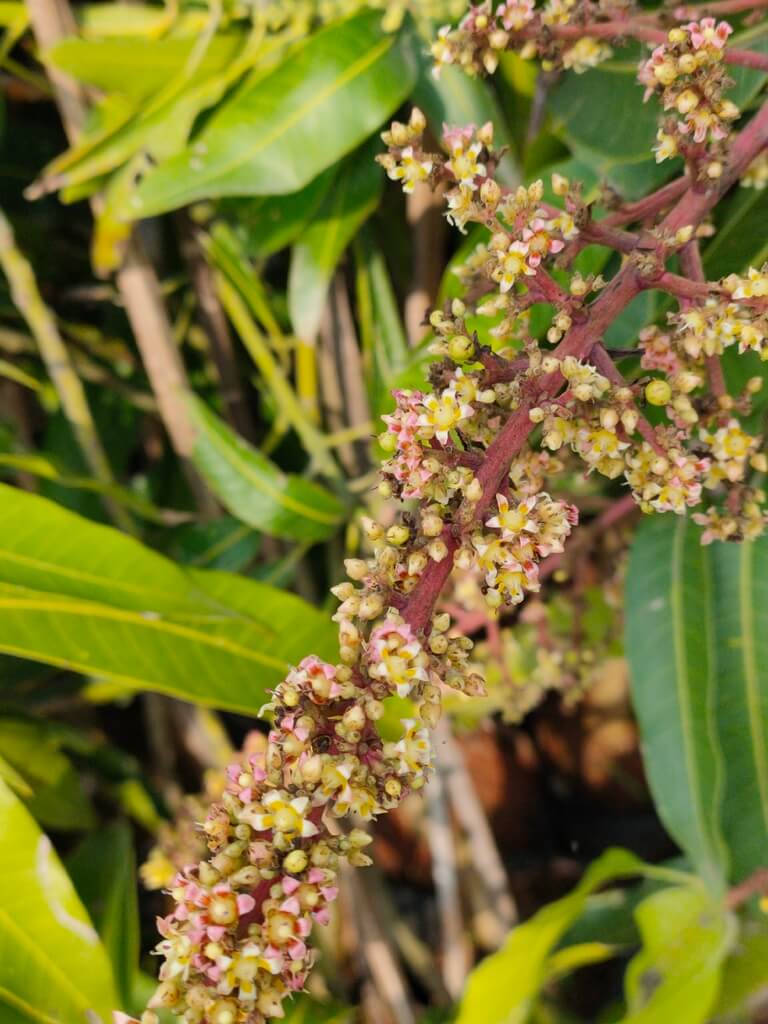
Mangifera indica is a large evergreen tree, usually growing 10–35 m tall. It is recognized by its dense rounded crown, long glossy leaves that are reddish when young, and small fragrant yellowish-white flowers borne in large panicles. It produces fleshy, sweet fruits of various shapes and sizes. Native to the Indian subcontinent, it is one of the world's most important fruit trees and is widely cultivated across tropical and subtropical regions.
Status in India: ✅ Native
Flowering & Fruiting: Flowers: January–April | Fruits: April–July (varies with variety and region).
Ecological Importance: Mango trees provide nectar for bees, flies, butterflies, and other pollinators. Their fruits are an important food source for birds, bats, monkeys, squirrels, and many other wildlife species. The large canopy offers nesting sites, shade, and contributes significantly to carbon sequestration, making it an important tree for biodiversity and ecosystem health.
Uses: Fruits are eaten fresh or processed into juice, pickles, jams, and dried products. The wood is used for furniture, while leaves and bark have traditional medicinal uses. -
large-6-5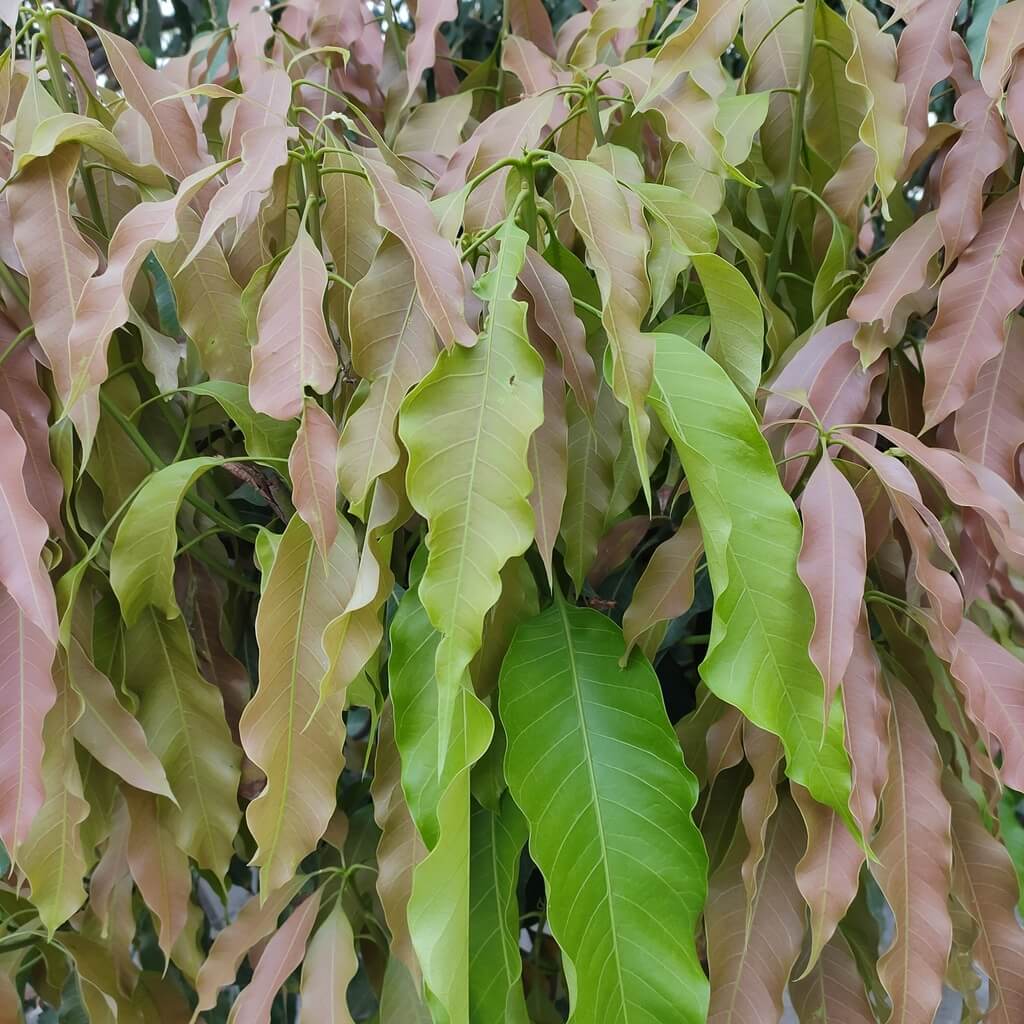
large-4-5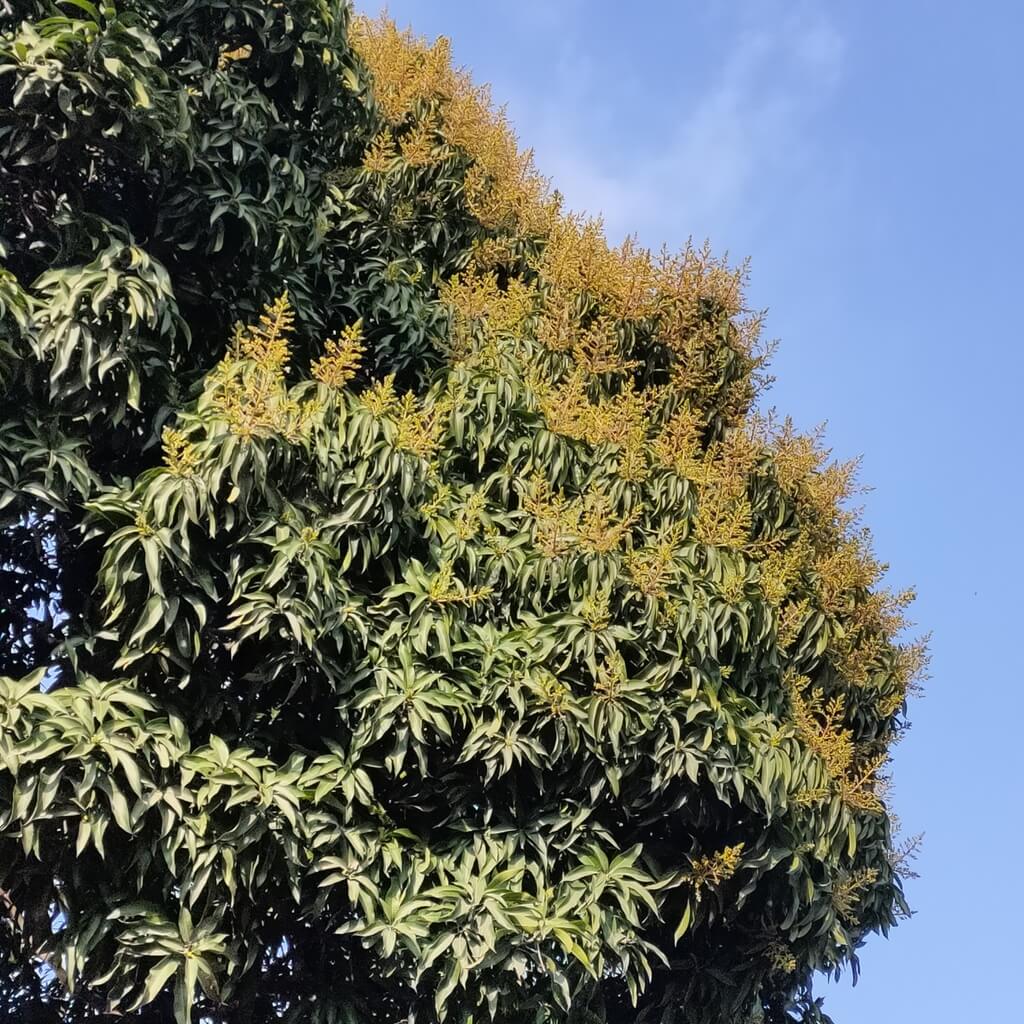
large-3-7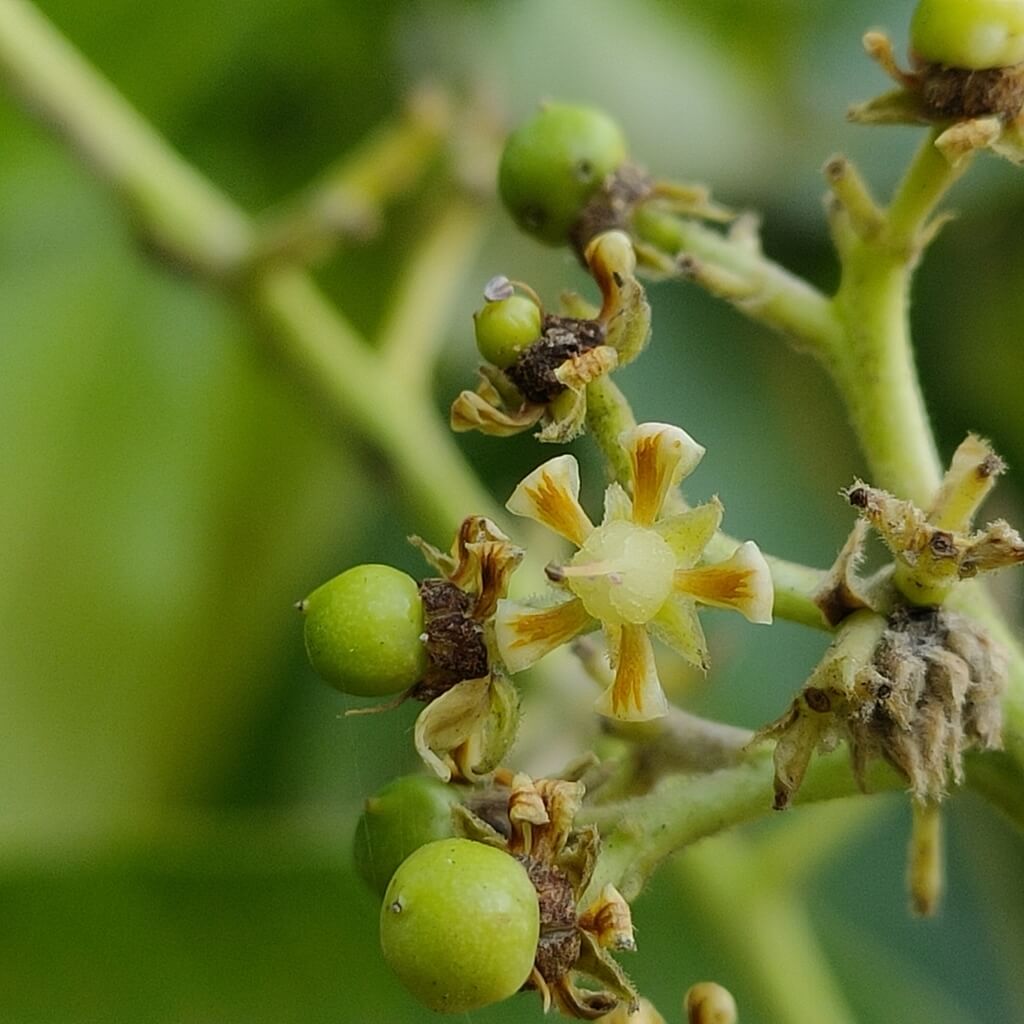
large-2-17