In Rajasthan, this family is represented by the following genera:
-
Acanthospermum

-
Acmella

-
Bidens
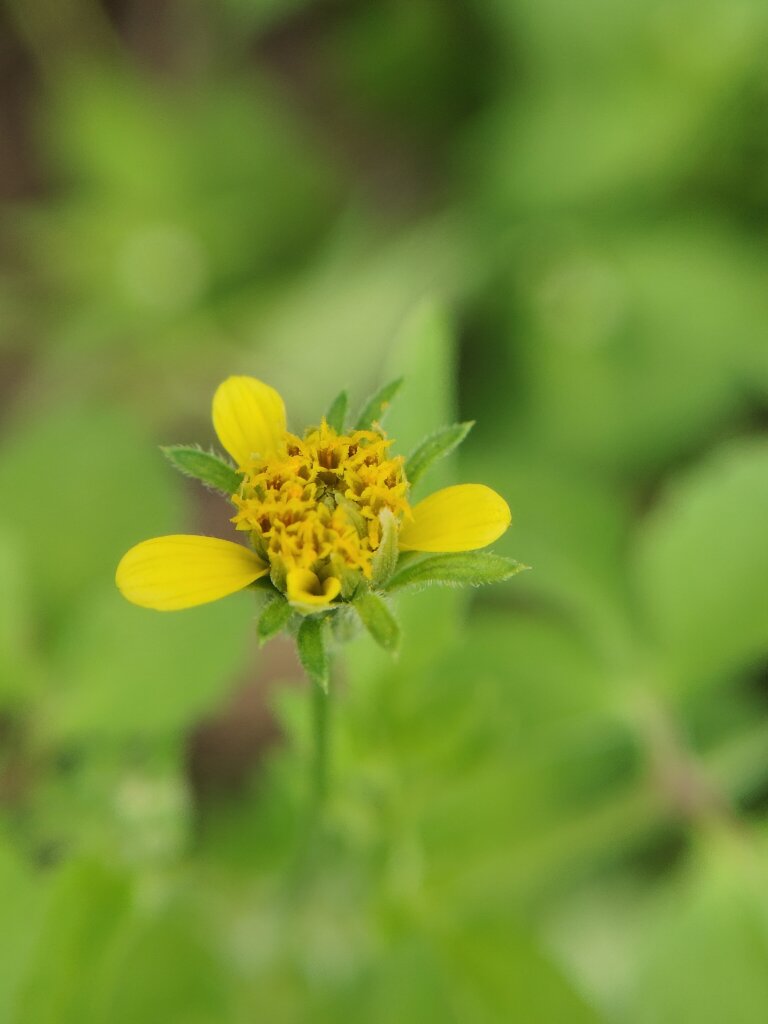
-
Blainvillea

-
Caesulia
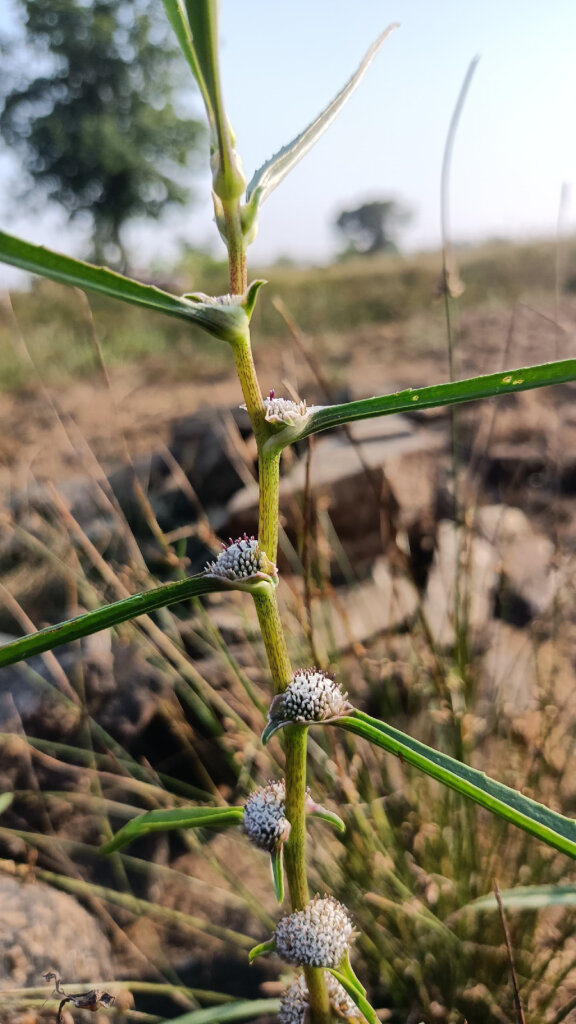
-
Cyanthillium
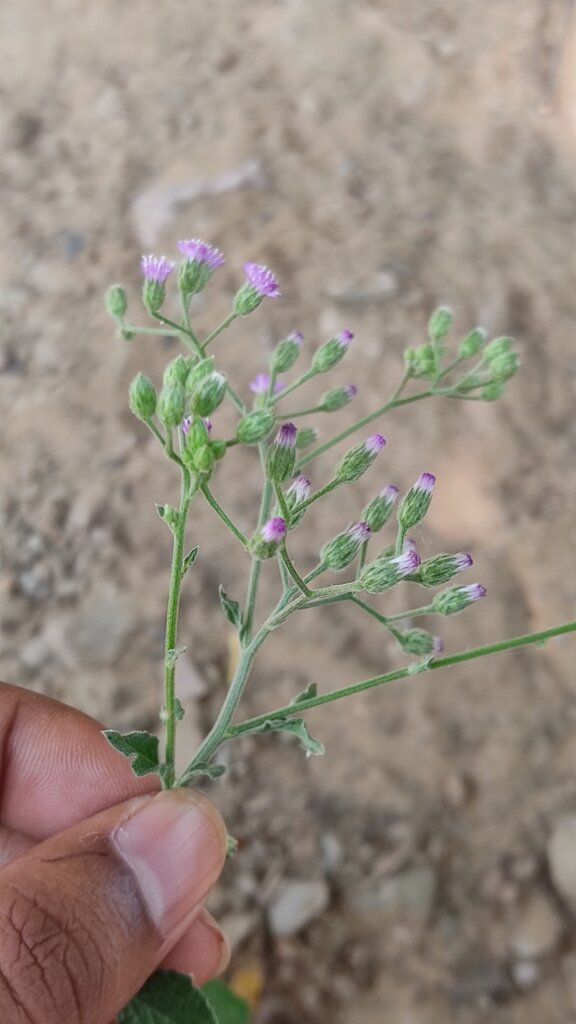
-
Echinops
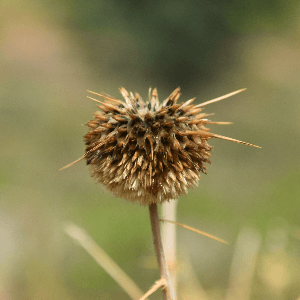
-
Eclipta

-
Erigeron
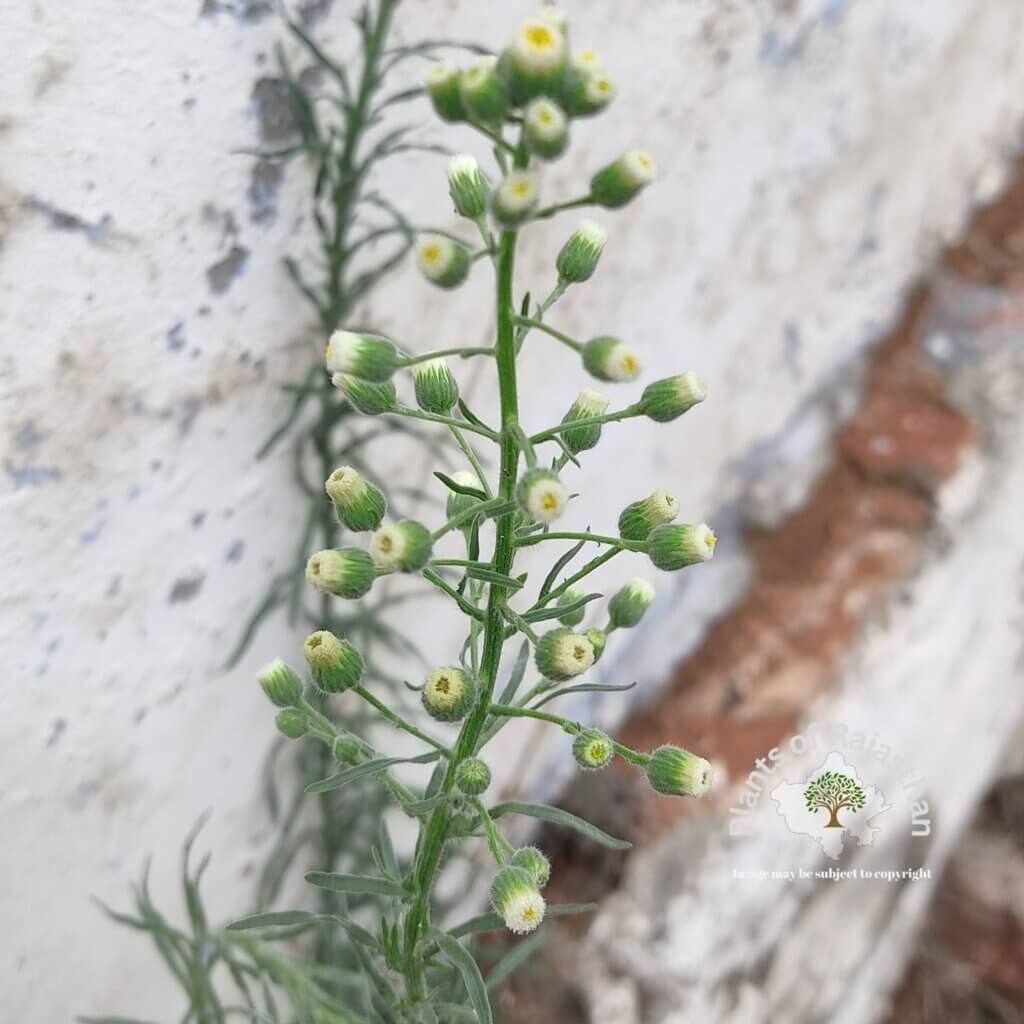
-
Grangea

-
Launaea

-
Oligochaeta
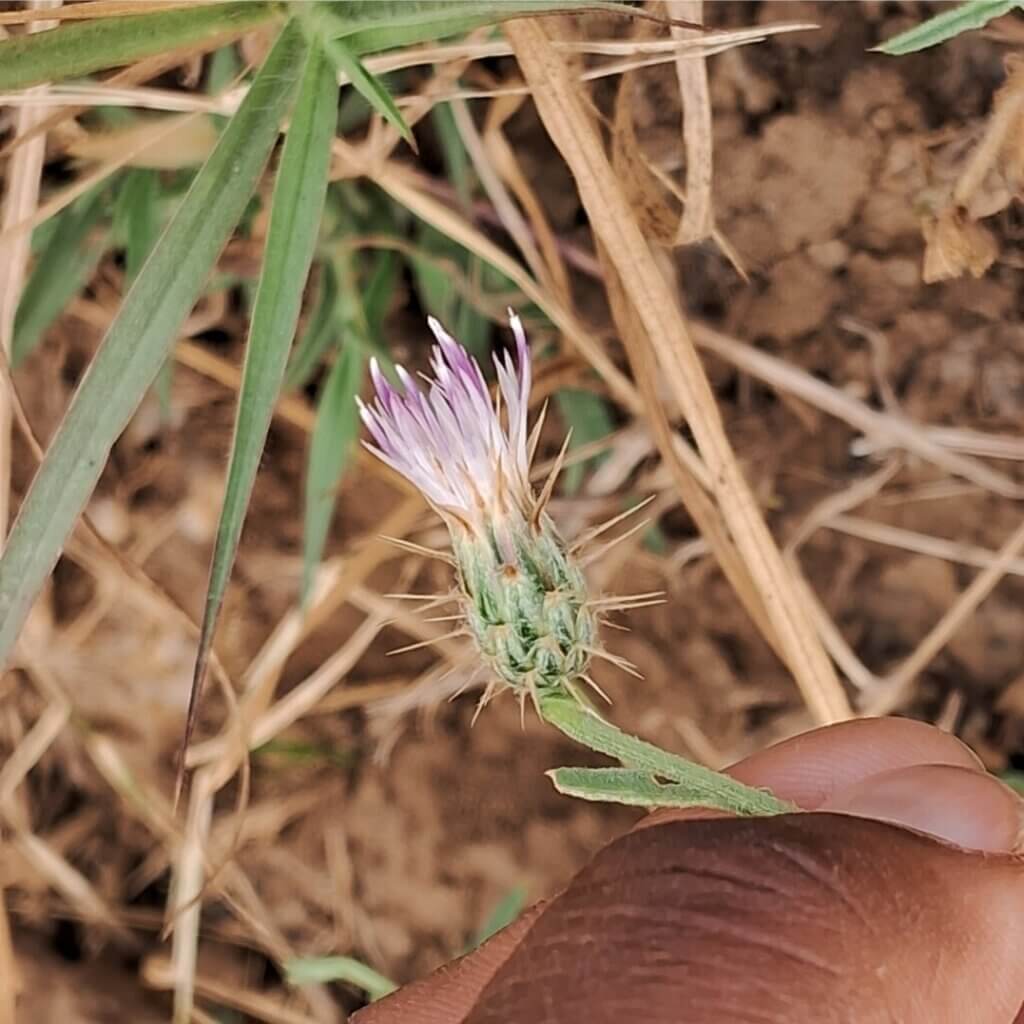
-
Parthenium
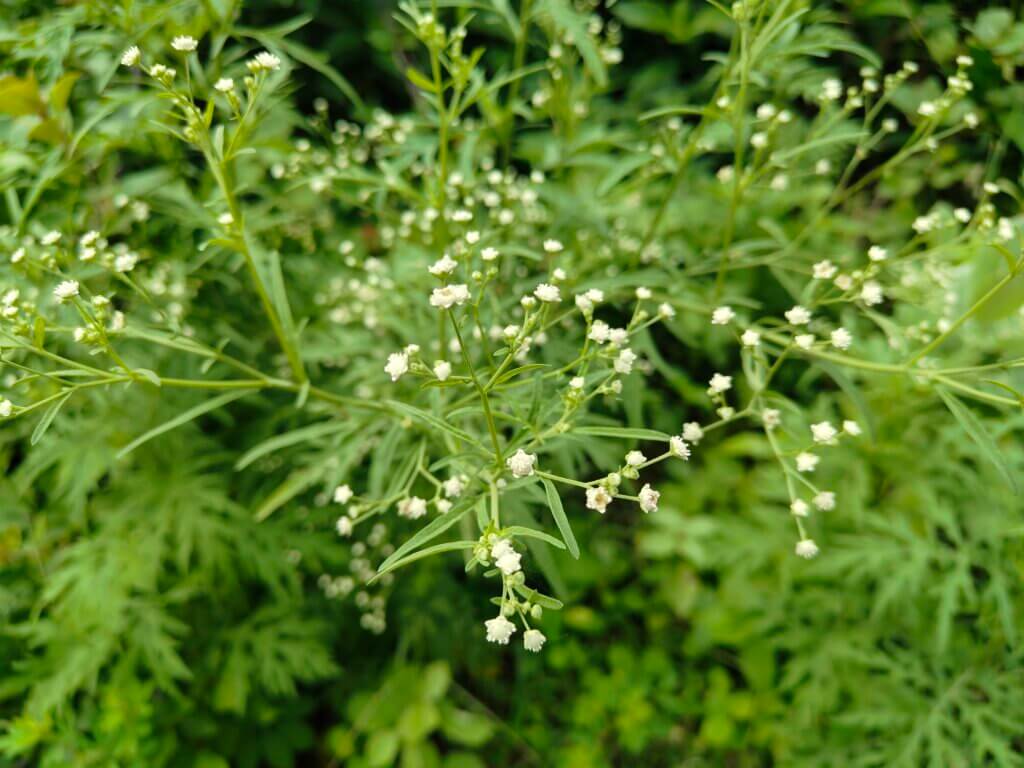
-
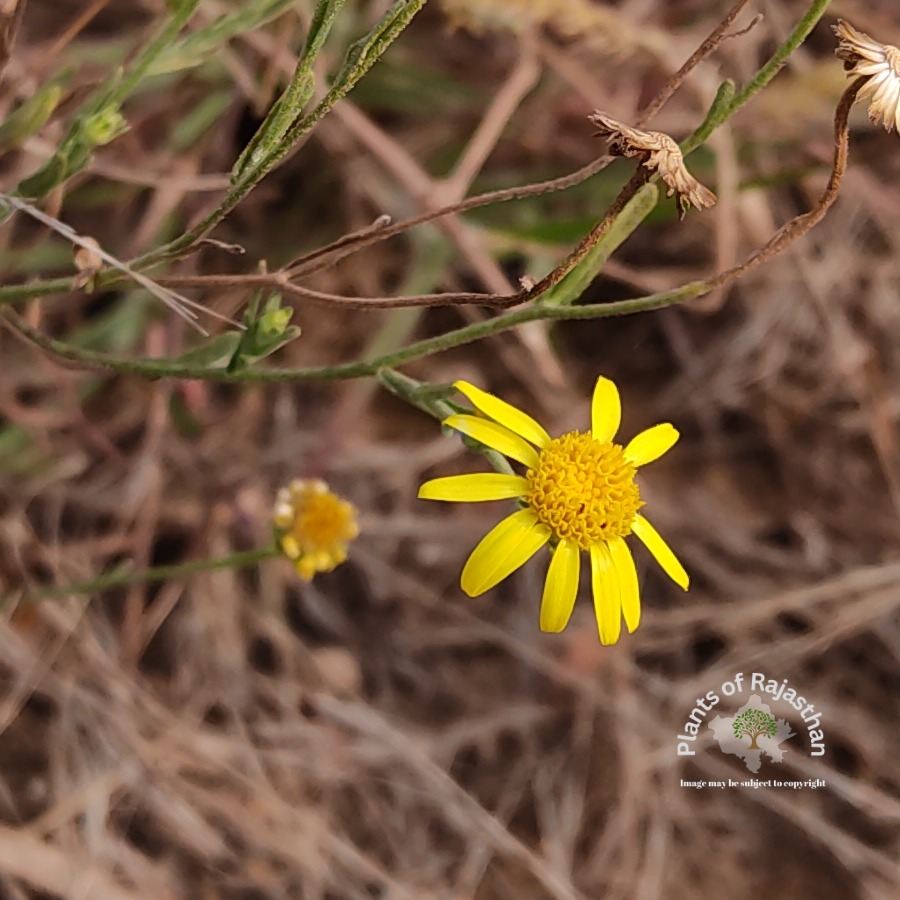
Pulicaria
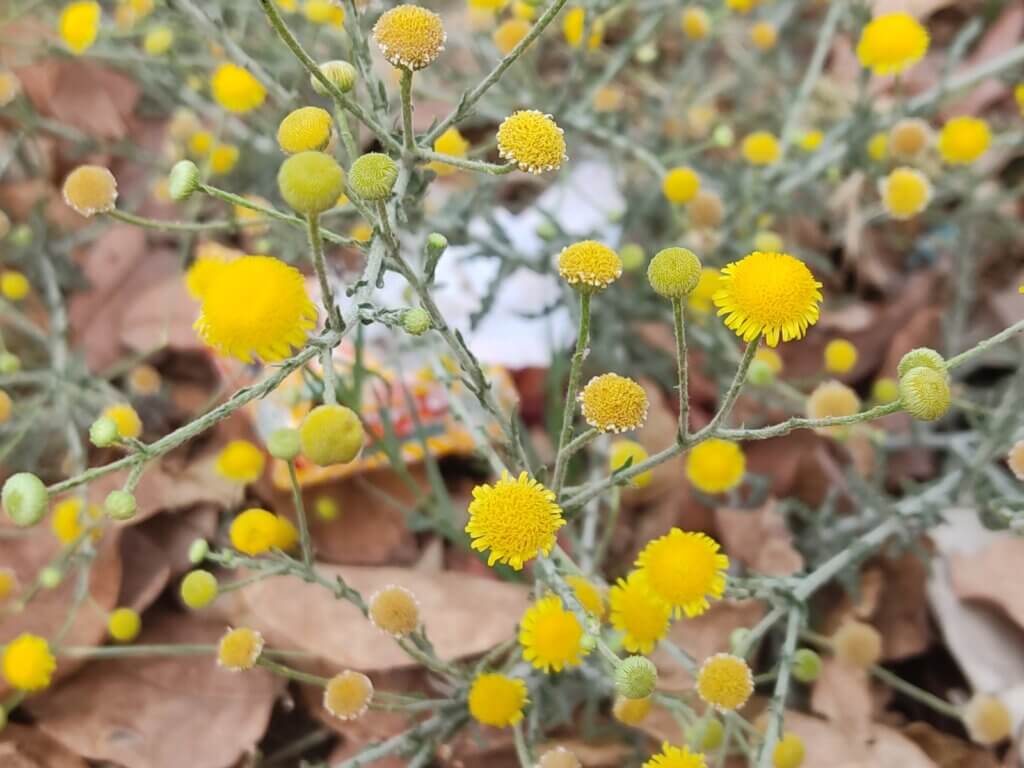
-
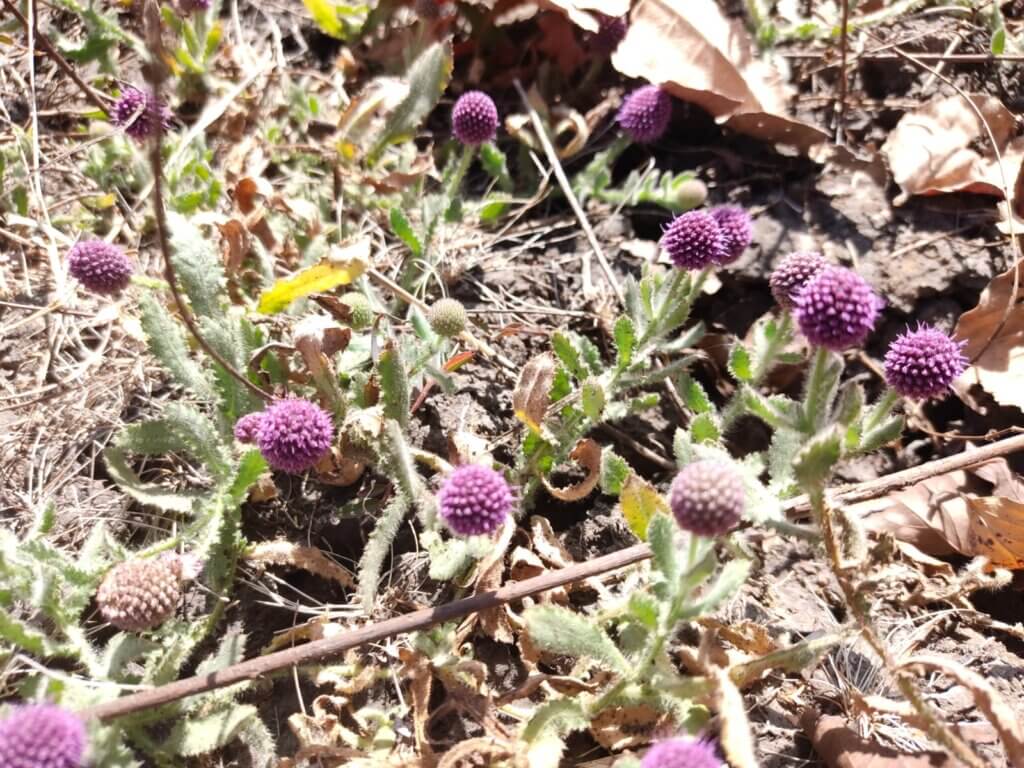
Sphaeranthus
-
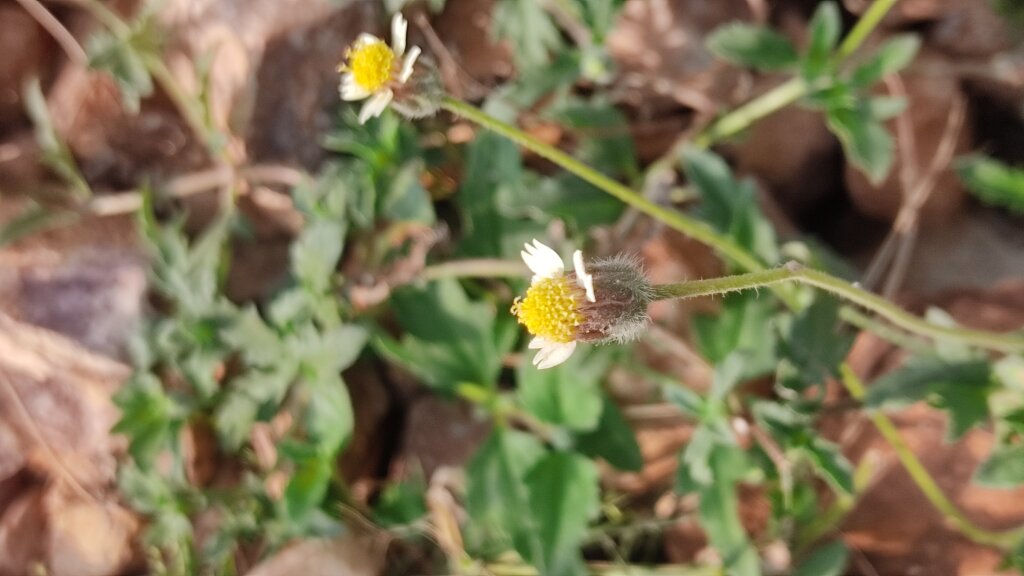
Tridax
-
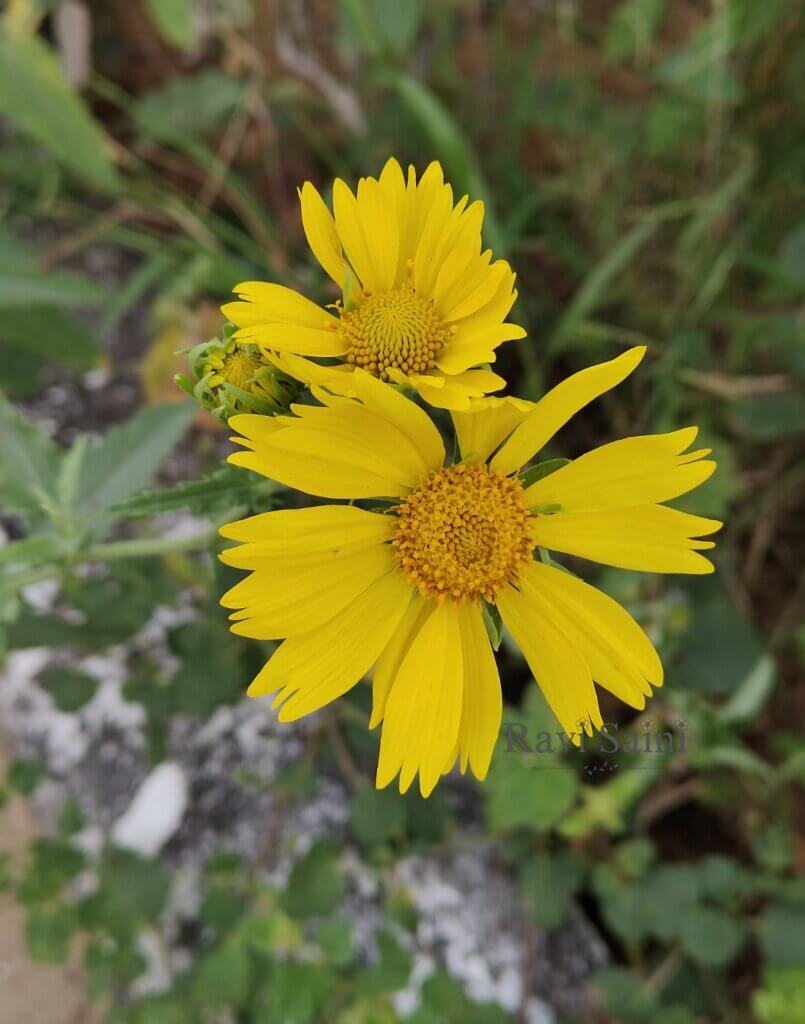
Verbesina
-
Vicoa

-
Xanthium


- Herbs
- Khetri / Jhunjhunun / Jaipur
- Naturally grown
-
It is a native, annual,herbaceous plant. We could remember it from our childhoods, combing our hair using it's fruits/seed pods or sticking it to others' clothes.
'Xanthium' means yellow and 'strumarium' means swelling, tumor in reference to the seedpods. (Source: Dave's Garden)The whole plant, specially root and fruit, is used as medicine. According to Ayurveda, X. strumarium is cooling, laxative, fattening, anthelmintic, alexiteric, tonic, digestive, antipyretic, and improves appetite, voice, complexion, and memory. And it is also used in Chinese medicine from centuries for issues like sinusitis, headaches, and arthritis.
Sources: POWO, FOI -

1000112795
Xanthium strumarium L. : Fruits
Fruits: Fruit is obovoid, elliptical or egg shaped, enclosed in the hardened involucre, with 2 hooked beaks and hooked bristles, and grow nestled around the stem. Bristles on the fruits help in seeds dispersal mainly by clinging to animal furs(Epizoochory).