IUCN Status
 : Least Concern

Author: Sonu kumar
This is Sonu Kumar, I'm a nature enthusiast and a keen botanical observer with a special interest in studying and documenting the small flora and grasses of rocky habitats. I particularly fascinated by the discovery of uncommon species. Finding a new species record for a region serves as a strong source of inspiration and excitement for me. Currently I'm working as a district coordinator kota at BRDS society India. I have always been a devout admirer of nature and I would be happy to share more information about the plant wealth around me through this platform. #AStudentofnature #Teamefloraofrajasthan 🌿🌱🐛🦋🔍 Insta page: https://www.instagram.com/eflora_of_rajasthan
- Kota & Bundi
- Naturally grown
-
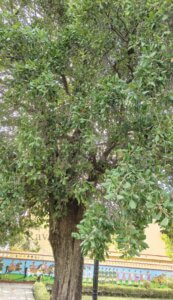
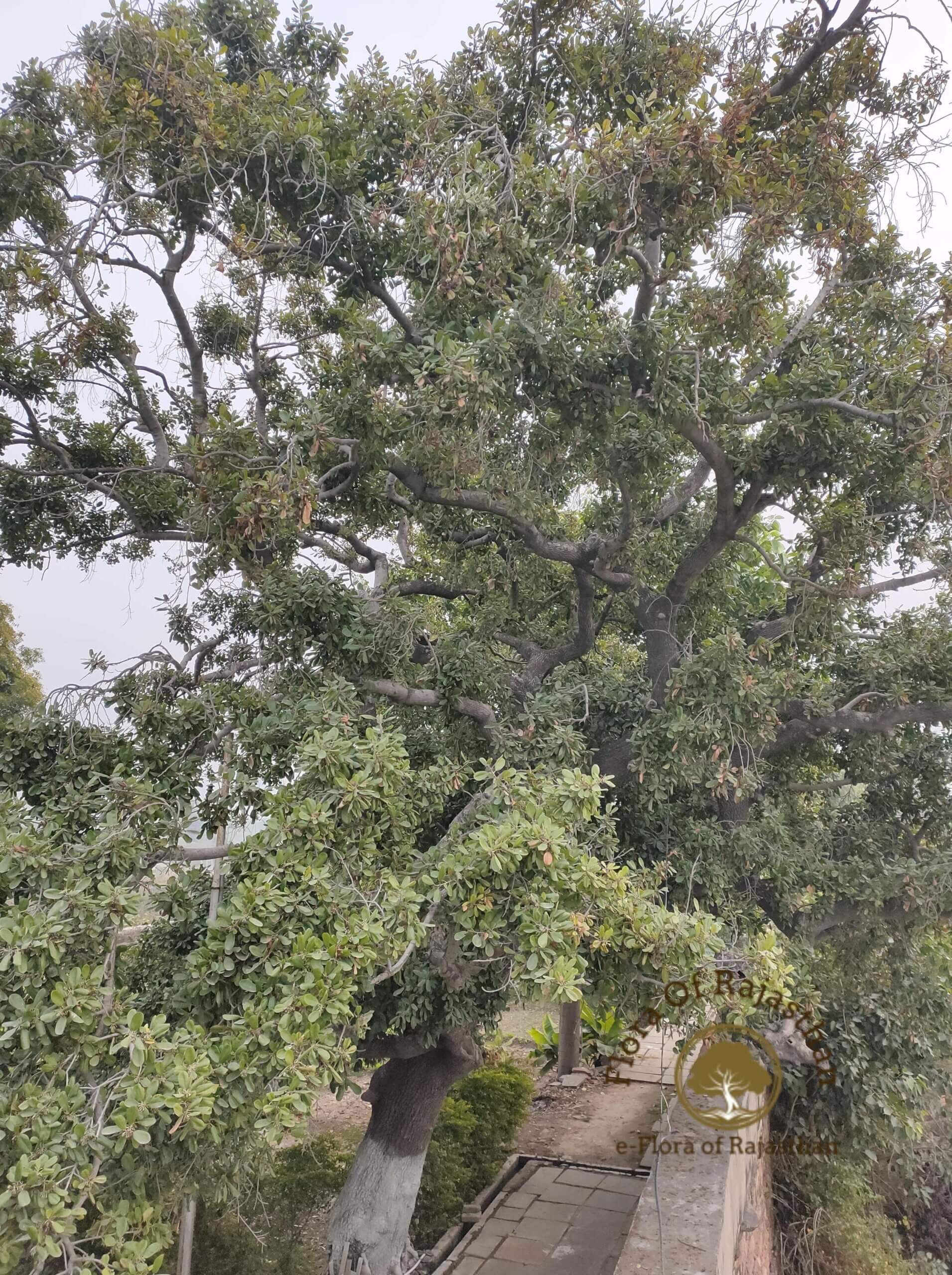
A large, evergreen slow growing tree.
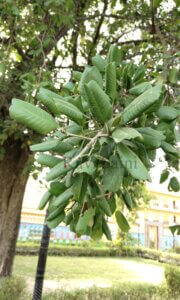
Leaves obovate, oblong emarginated, dark-green, coriaceous, petioles grooved.
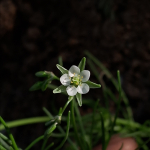
Inflorescence solitary or in fascicles of 2-6.
Flowers; calyx segments hairy, reflexed, ovate. Corolla-lobes nearly 18, in 2-series of 6 and 12. Stamens 6, staminodes 6, alternate, with the stamens, bifid. Ovary 12-celled.
Fruit : Berry yellow, fleshy, 1-2 seeded.
Fl. & Fr. : Nov.-May
Significance : The fruits are edible and selled. The wood is hard and tough much used for making sugar mills and oil presses.यह एक बड़ा, सदाबहार तथा धीमी गति से बढ़ने वाला वृक्ष है। इसकी पत्तियाँ गहरे हरे रंग की, मोटी, चमड़े जैसी (coriaceous), उल्टे अंडाकार से आयताकार (obovate–oblong) होती हैं और इनके सिरे पर हल्का कटाव (emarginate) दिखाई देता है। पत्ती का डंठल (petiole) खाँचेदार होता है।
इसके छोटे क्रीमी-सफेद पुष्प अकेले या 2–6 के गुच्छों में पत्तियों की बगल (leaf axils) में खिलते हैं। इसके फल पीले रंग के, गूदेदार (berry) होते हैं, जिनमें सामान्यतः 1–2 बीज पाए जाते हैं। फल मीठे, स्वादिष्ट और खाने योग्य होते हैं तथा स्थानीय बाजारों में भी बेचे जाते हैं।
यह भारत के शुष्क पर्णपाती वनों की एक महत्वपूर्ण प्रजाति है। इसके फल अनेक पक्षियों और वन्यजीवों के लिए भी भोजन का महत्वपूर्ण स्रोत हैं। -

Screenshot_2025-01-20-09-24-38-88_1c337646f29875672b5a61192b9010f9
Flowering twig -
DocScanner Jan 20, 2025 09-38-2(124040198486989)
Habitat
Haritage tree -
DocScanner Jan 20, 2025 09-38-3(124040245882073)
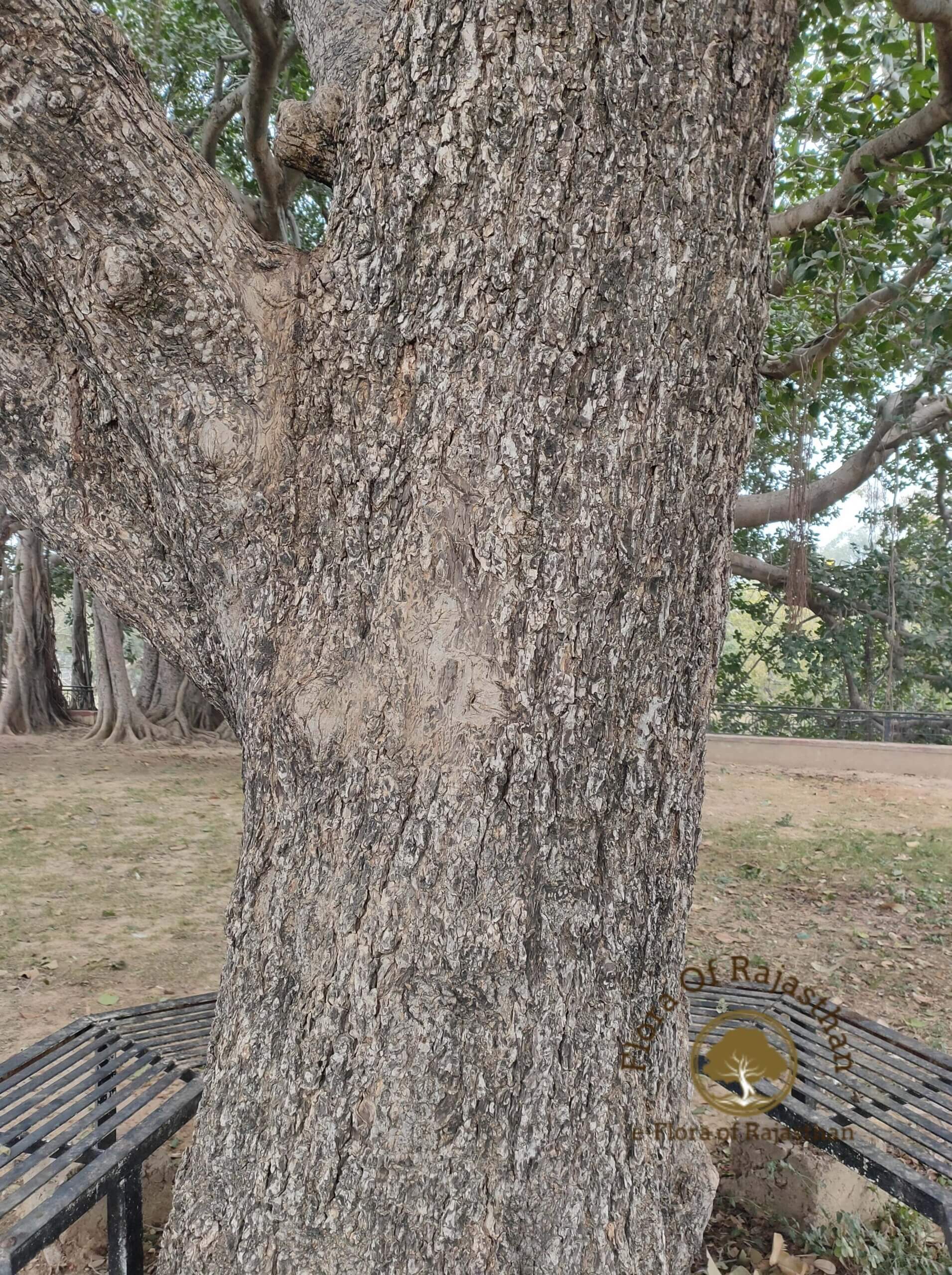
Bark
Grey, rough with specific horizontal marks or deeply furrowed vertically, exuding milky juice